
Tires cross the same paths, parked vehicles concentrate oil and water, and the garage-door edge receives outdoor debris first. Garage floor coating in Commerce Township, MI should be planned around those daily-use patterns.
We’ll call back within one business day.
Most garage traffic follows the same routes every day. Vehicles enter through the overhead door, travel along repeated tire lanes, and stop in fixed parking positions. Foot traffic then concentrates around doors, trunks, storage shelving, and work areas. Those patterns create a floor that experiences far more wear in some zones than others.
Michigan garage floors also collect seasonal material brought directly inside on tires and undercarriages. Rainwater, snowmelt, road grit, and salt residue settle around parking bays and entry paths, while oil drips and automotive residue collect beneath vehicles. The coating needs to remain practical in an environment that shifts between parking, storage, cleaning, and household use.
Residential garage floors are already part of the epoxy work completed by Four Seasons Painting & Drywall LLC, including preparation, priming, crack and imperfection treatment, resin application, and additional coating layers. Garage floor coating in Commerce Township, MI, therefore starts with how the slab is actually used rather than treating the entire garage as one uniform area.
A garage floor does not receive equal use from wall to wall. Tire lanes carry moving vehicles, parking bays hold stationary loads and drips, storage pushes foot traffic toward exposed areas, and the door threshold receives weather and debris directly from the driveway.
Repeated entry and exit concentrate wear along predictable paths from the garage door to each parking position. These routes also receive road grit, moisture, salt residue, and contamination carried directly by tires.
Parked vehicles concentrate tire contact, oil drips, moisture, and daily foot movement in fixed areas. Coating coverage needs to remain consistent beneath vehicles as well as along the paths used to reach them.
Cabinets, shelving, tools, and household storage occupy perimeter areas and redirect movement through the remaining floor. Edges still need complete coating coverage even when they receive less direct vehicle traffic.
The garage-door threshold sits between interior concrete and the driveway. Tire crossings, tracked water, road debris, and outdoor temperature changes make this transition distinct from protected concrete farther inside.
Vehicle use introduces concentrated wear instead of evenly distributed foot traffic. Tires repeatedly travel over the same lanes, parked cars leave residue in fixed locations, and household projects add another layer of contact around benches and tools. The resulting floor conditions are specific to how garages function.
Seasonal contamination adds another challenge. Snowmelt, road salt, grit, water, and automotive fluids collect in different locations and require regular cleaning. Floor edges, joints, and thresholds also interrupt otherwise continuous concrete, making those areas important when the finished coating is planned.
Vehicle tires repeatedly cross the same entrance paths and parking locations, placing concentrated contact on those areas. Turning, stopping, and daily parking create different wear patterns from lightly used concrete around the garage perimeter.
Oil drips, automotive residue, and project-related spills collect beneath vehicles and around work areas. These contaminants need attention because garage-floor staining occurs in predictable locations rather than evenly across the slab.
Snowmelt, road grit, and salt residue enter the garage directly on vehicles during colder weather. Moisture then collects along tire paths, beneath parked cars, and near the garage-door opening.
Thresholds, perimeter edges, control joints, and slab interruptions receive different stresses from uninterrupted concrete. These areas deserve separate attention during preparation because coating coverage has to follow each transition cleanly.
The floor system should reflect what actually happens inside the garage after installation. Parking frequency, tire movement, household storage, cleaning habits, hobby work, and vehicle maintenance all change the demands placed on the coated concrete. Appearance matters, but use patterns provide the more practical basis for planning the floor.
The number of vehicles, their parking positions, and the routes they follow establish the highest-use areas. Daily tire paths and turning locations concentrate contact in repeatable zones across the garage.
Sweeping, rinsing, wiping oil, and removing seasonal residue place different maintenance demands on the floor. The finished surface should support the way the homeowner normally keeps the garage clean.
Cabinets, shelving, workbenches, toolboxes, and floor-level storage change how people move around the garage. These fixed areas also affect which sections remain accessible for cleaning and future maintenance.
For properties that need several performance finishes rather than one garage project, our broader protective floor and surface systems separate garage flooring from other coating applications according to surface type and daily use.
A garage coating project begins by clearing the floor and understanding how the slab has been used. Parking stains, tire paths, cracks, joints, thresholds, previous finishes, and perimeter conditions all influence preparation before the new floor system is installed.
When the main question is the resin system itself rather than garage-use planning, epoxy-treated concrete surfaces explains the preparation, primer, coating layers, and concrete-bonding considerations in greater detail. Garage-concrete preparation remains separate from exterior deck and siding wash services, which address outdoor surfaces elsewhere on the property.
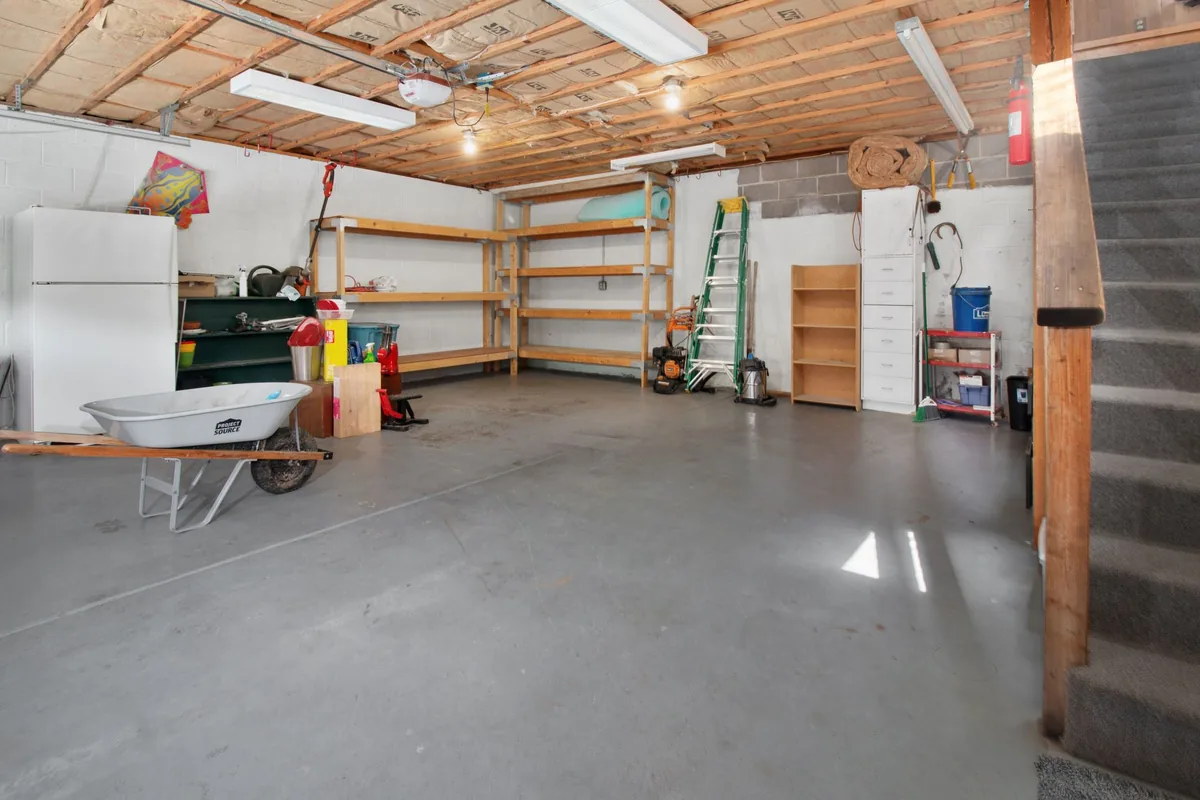

Some garages exist primarily for daily parking, while others function as workshops, storage rooms, hobby areas, or finished extensions of the home. This is why garage floor coating in Commerce Township, MI should reflect the main job the room performs.
Best suited to garages dominated by regular vehicle entry, parking, and tire traffic.
Fits garages used for tools, projects, repairs, and repeated work-area activity.
Applies where shelving, cabinets, bins, and equipment occupy much of the perimeter.
Works for spaces combining vehicles, storage, hobbies, exercise, and household circulation.
Fits homeowners who place greater emphasis on cleanliness and overall floor appearance.
A coating project goes more smoothly when the garage is ready for clear floor access. Vehicles, movable storage, oil spots, joints, drains, thresholds, and the required return-to-parking time should all be identified beforehand.
Tire contact places concentrated stress on the same parking and travel areas every day. Coating selection, concrete preparation, installation quality, and complete curing all influence how the floor handles that use. Vehicles should not return until the installed system has reached its required cure.
Oil and automotive residue interfere with proper concrete preparation when they remain on the slab. Contaminated areas need attention before coating so the new floor system is not installed over a weak or oily surface that reduces reliable adhesion.
Road salt, grit, snowmelt, and moisture collect along tire paths and beneath parked vehicles during winter. The coating system should suit that environment, while regular cleaning removes residue that would otherwise remain concentrated in the most heavily used sections.
Vehicle return depends on the coating system, temperature, cure conditions, and manufacturer requirements. Driving onto the floor too early places tire pressure on material that has not reached the required cure, so parking should resume only after the installed system is ready.
A continuous coated surface is generally easier to sweep and clean than porous bare concrete because dirt, water, and automotive residue remain closer to the surface. Regular cleaning is still important, especially around parking bays, tire lanes, and winter residue.
Questions about colors, timing, or cost? Call us.
We provide interior painting throughout Commerce Township, Highland, Novi, Brighton, Clarkston, and the rest of Southeastern Michigan.
Two parked vehicles, perimeter storage, work areas, and seasonal road residue create a specific floor environment. Show Four Seasons Painting & Drywall LLC how the garage is used when planning the coating project.