
Water can travel beyond the first wet room, smoke can reach surfaces far from the fire, and storms can damage several materials at once. Our restoration services in Commerce Township, MI begin by tracing what changed before rebuilding starts.
We’ll call back within one business day.
The first visible stain, burn mark, or broken finish rarely tells the whole story. Restoration starts by identifying what happened, where the event began, which rooms were affected, and whether damage continued into adjoining drywall, wood, coatings, flooring, or other building materials.
The repair path then follows the material condition. A wet wallboard section needs a different response from soot-covered trim. Charred wood cannot be approached like a painted wall with smoke residue, and storm damage may combine water entry, debris, broken surfaces, and exterior exposure in the same property.
Restoration works backward from the damage before moving forward into reconstruction. Cleanup, drying, material removal, repair, and refinishing belong in the correct order so new paint, drywall, trim, or other finishes are not installed over unresolved conditions.
Water, fire, smoke, and severe weather affect buildings in different ways. The damage source helps determine where to look next, what materials may have changed, and which restoration path should take over once the affected areas are understood. Restoration services in Commerce Township, MI become easier to define once the damage is separated by source, affected material, and the repair work each area actually requires.
Leaks, flooding, and accumulated water can reach wallboard, trim, flooring, paint, and adjoining rooms beyond the first visible wet area. Water-affected building recovery addresses this moisture-driven repair path.
Direct flame and heat can damage finishes, drywall, wood, and other building materials at different depths. Burned sections need to be separated from nearby surfaces that may only require cleaning or repair.
Smoke and soot can travel beyond the area that burned, settling on walls, ceilings, trim, and adjoining rooms. Smoke-affected property repairs address that wider contamination pattern.
Wind, water entry, debris, and exposed exterior materials can occur together during severe weather. Storm recovery and repairs handle events where several forms of property damage overlap.
The easiest mistake is stopping at what can be seen from the doorway. A wall stain may extend beyond the visible edge, smoke residue can settle in rooms without direct fire damage, and damaged trim may hide weaker material underneath. Restoration has to continue until the affected material gives way to sound construction.
Premature cosmetic work creates another problem. Fresh paint or new drywall finish can temporarily hide staining, residue, or weakened material without correcting what caused the surface to fail. Cleanup, drying, removal, and repair need to happen before finish work closes the area again.
Water, smoke, and residue can extend beyond the most obvious damaged area into adjoining walls, ceilings, rooms, or finish materials that initially appear unaffected.
Drywall, trim, wood, coatings, and other finishes can lose enough integrity that patching the visible surface no longer provides a dependable repair.
Soot, char, debris, and damaged surface material should be cleaned or removed before reconstruction covers the affected area and makes later correction more difficult.
Paint, drywall compound, trim, and other finish materials belong after the underlying damage has been addressed, not over staining, weakened substrates, or unresolved residue.
A restoration project moves through different layers rather than one repair step. First comes understanding the damage. Then affected material is cleaned, dried, removed, or otherwise addressed. Only after that groundwork is complete should reconstruction and finish work begin. The later stages can also connect with building repair and paintwork specialists when damaged walls, woodwork, and finished surfaces need reconstruction after the cleanup stage is complete.
The first layer establishes what happened, where the effects traveled, which materials changed, and whether visible damage continues into adjoining areas.
Water, debris, soot, charred material, and damaged building components need the appropriate cleanup, drying, or removal before new construction closes the area.
Once affected materials are ready for reconstruction, damaged drywall, woodwork, surfaces, paint, and other finishes can be rebuilt into the usable property again.
The purpose of restoration services in Commerce Township, MI, is not simply to hide evidence of the event. Each stage should move the property from damaged material toward sound construction and finished surfaces in the correct order.
Restoration follows the path of the event rather than beginning with the final appearance. The damaged area is traced outward until the affected materials and repair boundaries are clear, then each stage moves from removal or cleanup toward reconstruction.
The restoration path changes with the event. Four Seasons Painting & Drywall LLC handles water and flood recovery, fire and smoke damage, storm and disaster restoration, cleanup, repair, and the finish work that follows. After normal use resumes, building maintenance and preservation addresses ongoing property care separately from event-driven restoration.

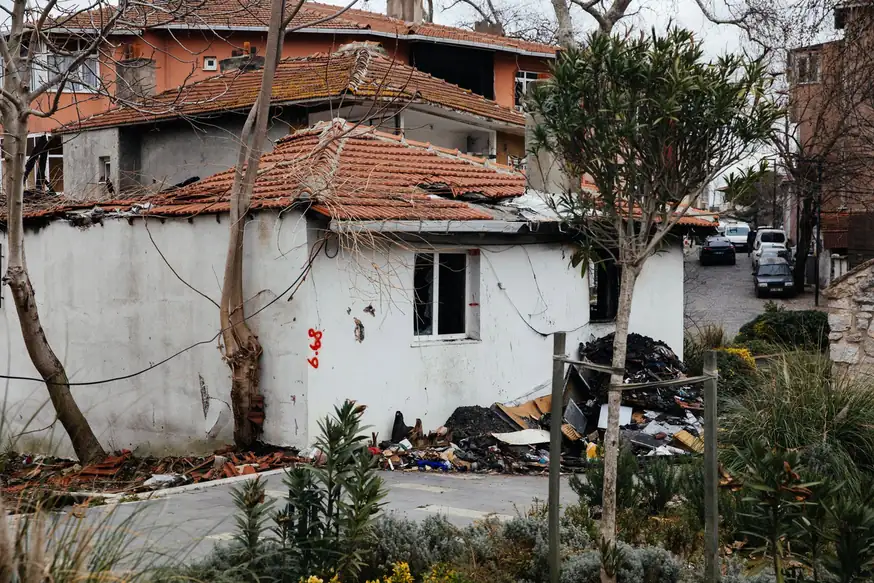
The right restoration path begins with the event and the evidence it left behind. Some properties have one dominant form of damage, while others need several recovery methods because water, smoke, debris, and damaged materials occurred together.
Flooding and pooled water require removal first, followed by drying and inspection of materials exposed to moisture.
Drywall, trim, flooring, and finishes may still need attention after visible water has been removed.
Burned surfaces, smoke residue, soot deposits, and charred materials call for targeted cleanup and restoration.
Wind, water intrusion, and debris can affect several parts of the property at the same time.
Some incidents leave water, smoke, debris, and damaged finishes together, requiring several restoration steps within one project.
Photos and notes help preserve a clear record of what changed before damaged finishes are removed or rebuilt. Only enter and inspect areas that are safe to access.
Look beyond discoloration alone. Soft drywall, deteriorated wood, retained moisture, soot, char, loose finishes, or damage extending into adjoining materials indicate that the problem reaches beyond appearance. Restoration becomes necessary when the material underneath the visible finish also needs cleanup, removal, repair, or replacement.
Yes. Drywall should be stable and appropriately repaired before final painting begins. Water-softened board, fire-damaged sections, failed patches, or contaminated surfaces need attention first. Paint is the finishing stage and should not be used to conceal wall material that still requires restoration.
Yes. Smoke and soot can move beyond the original fire area and settle on walls, ceilings, trim, furnishings, and other surfaces elsewhere in the property. That is why fire restoration should consider the path of smoke separately from the areas that experienced direct flame damage.
The property should be evaluated as a combined damage event rather than treating each visible symptom in isolation. Wind may create an opening, water may enter through it, and interior materials may then deteriorate. The restoration sequence follows those connected effects from source to damaged material.
Restoration responds to a damaging event such as water intrusion, fire, smoke, or severe weather and works toward recovery. Property maintenance deals with recurring care after a building is operating normally, such as routine upkeep, surface attention, and ongoing preservation rather than event-driven repairs.
Questions about colors, timing, or cost? Call us.
We provide interior painting throughout Commerce Township, Highland, Novi, Brighton, Clarkston, and the rest of Southeastern Michigan.
Show where the water entered, where smoke traveled, what the storm damaged, or which materials changed after the event. The repair plan begins by tracing what happened before rebuilding what was lost.