
A successful remodel depends on sequencing drywall, cabinetry, trim, paint, and room upgrades correctly. Remodeling services in Commerce Township, MI bring those elements together as one coordinated project built around the finished space.
We’ll call back within one business day.
For remodeling services in Commerce Township, MI, projects through Four Seasons Painting & Drywall LLC benefit from painting, drywall, and renovation capabilities already available through the same company. Four Seasons Painting & Drywall also assigns a dedicated project manager to each project, creating one point of coordination as different parts of the renovation move forward.
A remodel changes more than the visible finish. Moving or rebuilding walls affects drywall and paint. Cabinet changes influence countertops, trim, and adjoining surfaces. Basement and commercial renovations often combine wall construction with finish work. The finished room depends on those elements meeting cleanly rather than each improvement being completed without considering what comes before or after it.
Existing features also shape the renovation. Some walls, cabinets, trim, doors, and finishes stay in place while surrounding areas change. The new work has to meet those retained elements without awkward gaps, mismatched heights, unfinished edges, or obvious surface transitions. Establishing what stays and what changes gives the rest of the project a clear physical starting point.
Different rooms require different combinations of renovation work. A bathroom centers on daily-use surfaces and storage, a basement starts with unfinished or underused lower-level space, a kitchen revolves around cabinetry and work areas, and a commercial interior has to support the way the business operates.
Projects involving vanities, wall finishes, storage, fixtures, and other bathroom updates belong under bathroom renovation work where the room’s daily function guides the renovation decisions.
Unused or unfinished lower-level areas move into finished basement conversions when walls, ceilings, finishes, and room divisions are being developed into functional interior space.
Kitchens involving cabinetry, work surfaces, storage, walls, and finish changes fit cabinet and countertop upgrades where several connected elements are being updated together.
Offices, stores, restaurants, and other businesses move into office interior modernization when layout, walls, finishes, or customer and employee areas require coordinated renovation work.
Remodeling becomes inefficient when new work is installed before surrounding conditions are resolved. A cabinet set beside an uneven wall, trim installed before wall repairs, or fresh paint applied before carpentry is complete creates additional removal and touch-up later. The order of the work matters because each finished element limits access to what sits behind or beside it.
Older properties also reveal conditions that were not visible at the planning stage. Removing finishes sometimes exposes patched drywall, deteriorated wood, uneven transitions, or previous repairs. Those discoveries should be addressed before new materials hide them; otherwise, the project carries an existing defect directly into the completed room.
New drywall, cabinetry, trim, and retained surfaces need clean meeting points. Height changes, uneven edges, or incompatible material thicknesses leave visible breaks where old and new parts of the room come together.
Removing older finishes sometimes reveals damaged wallboard, deteriorated wood, staining, or earlier repairs. Those conditions need attention before new cabinetry, trim, paint, or wall finishes cover the affected area again.
Installing finish materials before underlying repairs are complete creates unnecessary removal and repetition. Drywall, carpentry, cabinetry, surface preparation, and painting need a sequence that protects completed work from later disruption.
A room still looks unfinished when trim lines stop awkwardly, patches remain visible, or paint transitions do not meet cleanly. Final detailing connects the individual renovation tasks into one completed interior.
Renovation quality depends on more than the individual trade performing each task. Existing conditions establish the starting point, the order of work protects completed materials, and the final detailing determines whether retained and new elements read as one room. These three considerations become especially important when drywall, woodwork, cabinetry, and paint all meet within the same renovation.
Retained walls, ceilings, trim, cabinets, openings, and finishes establish fixed reference points for new work. Measuring and evaluating those elements early reduces misalignment where renovated sections meet the property that remains.
Repairs and concealed work belong ahead of finished surfaces. Drywall, carpentry, cabinetry, preparation, and painting should progress in an order that limits unnecessary removal, repeated patching, and damage to completed materials.
Trim lines, wall surfaces, paint transitions, cabinet edges, and material junctions establish whether the completed renovation feels unified. Final detailing should resolve those intersections rather than leave each trade visually separate.
Larger renovations often need painting and drywall contractor services alongside room updates and carpentry. Existing woodwork that remains in the project also deserves separate attention; damaged trim, timber, or finish carpentry belongs under trim and timber restoration before final surfaces are completed.
A renovation moves more efficiently when the existing property is reviewed before finish choices begin driving the work. The sequence should establish what remains, identify repairs, complete changes that affect walls or woodwork, and leave painting and final detailing until the surfaces underneath them are ready.
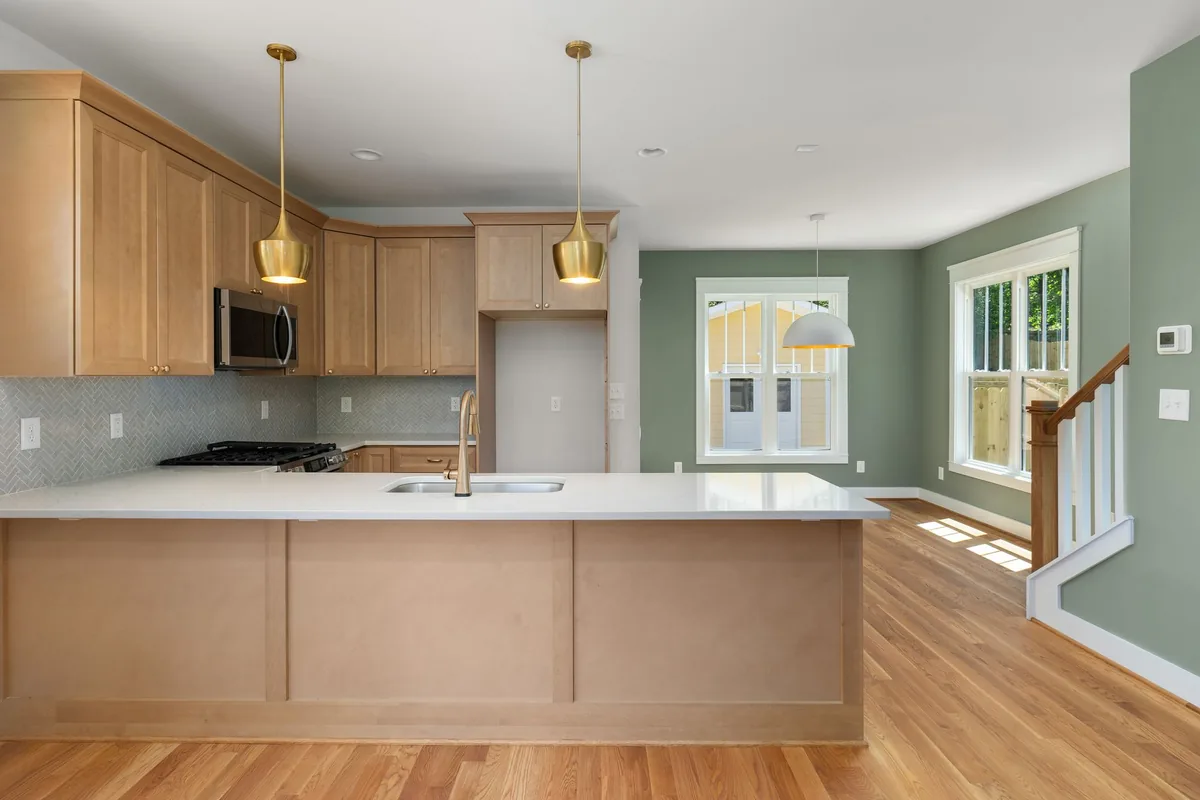
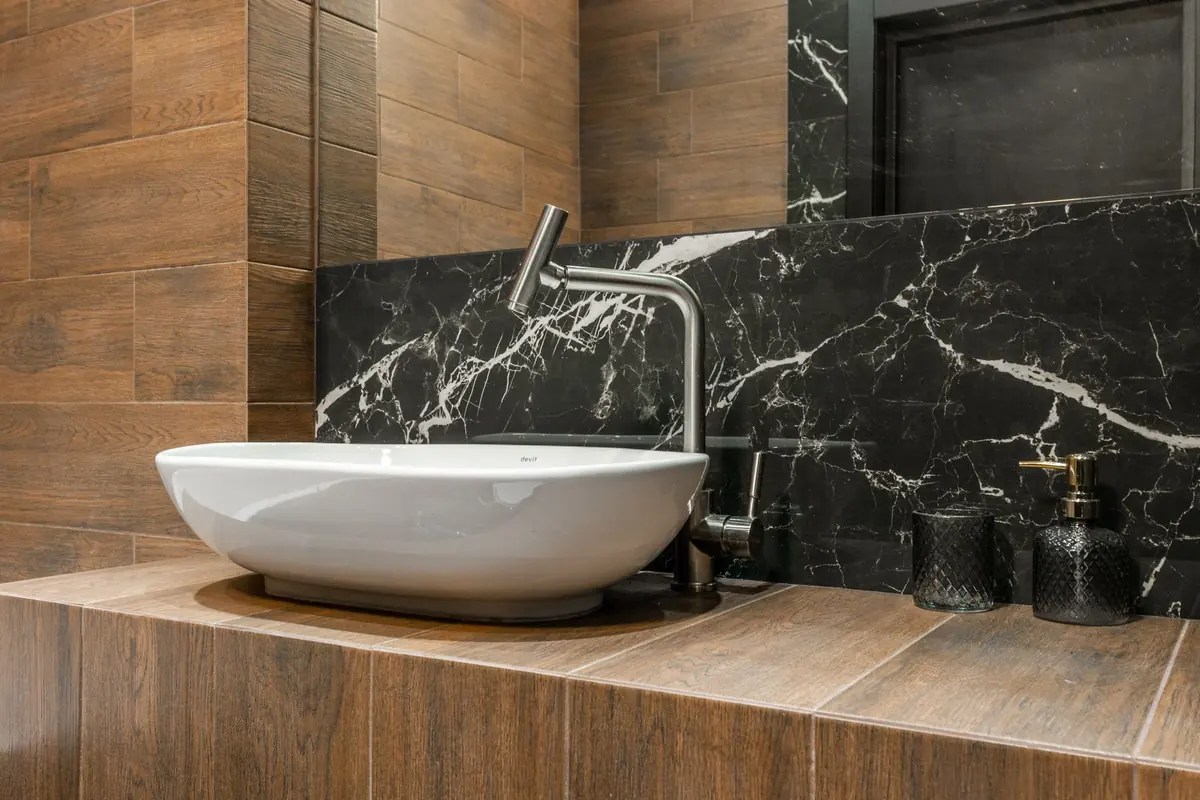
Remodeling services in Commerce Township, MI cover projects with very different room functions and construction needs. Choosing the correct path keeps bathroom, basement, kitchen, commercial, and wood-repair work focused on the conditions that actually define that part of the property.
Bathrooms may need new surfaces, storage, fixtures, wall finishes, or smaller upgrades that improve how the room looks and functions.
Unfinished lower levels can be developed into usable living, office, recreation, or storage spaces.
Cabinetry, countertops, storage, walls, and adjoining finishes can be updated together as part of a larger kitchen renovation.
Offices, retail spaces, restaurants, and other business interiors often require coordinated renovation around daily use and existing layouts.
Damaged trim, retained woodwork, and finish-carpentry details can be repaired or restored instead of being unnecessarily replaced.
Early decisions reduce avoidable changes once materials are removed and new work begins. Focus first on what stays, what changes, which defects already exist, and how the completed room needs to function.
Combining projects makes sense when several rooms share drywall, painting, carpentry, access, or finish work. Separate projects work better when the areas are unrelated or need different schedules. The practical choice depends on how much work overlaps and how much of the property needs to remain undisturbed.
Yes. Retained elements often become reference points for the new work, provided their condition and placement still fit the renovation. Keeping existing materials also requires careful transitions where new drywall, cabinetry, countertops, trim, or paint meet the older parts of the room.
Wall repairs, drywall work, carpentry adjustments, cabinetry installation, and other tasks that disturb finished surfaces should be completed before final painting. Painting too early creates unnecessary patching and touch-ups when later work cuts, fastens, moves, or repairs the surrounding material.
Exposed damage is reviewed before new materials cover the area. Deteriorated wood, damaged drywall, staining, or failed previous repairs change what needs correction underneath the finish. Resolving those conditions first keeps the new installation from concealing an unresolved problem.
Yes. Four Seasons works on residential renovations as well as commercial remodeling. The work differs by property use: homes center on living spaces such as kitchens, bathrooms, and basements, while business renovations follow customer areas, employee spaces, operational needs, and existing commercial interiors.
Questions about colors, timing, or cost? Call us.
We provide interior painting throughout Commerce Township, Highland, Novi, Brighton, Clarkston, and the rest of Southeastern Michigan.
Existing features, new room elements, drywall, carpentry, and finish work all need a clear order. Bring those project details to Four Seasons Painting & Drywall LLC for a coordinated remodeling estimate.