
Hairline cracks, old patches, chalking, and texture changes often show through when the stucco surface is not properly prepared. Stucco paint services in Commerce Township, MI address preparation and necessary repairs before coating, creating a more uniform surface for consistent color and lasting exterior protection.
We’ll call back within one business day.
Stucco forms one continuous textured surface, so imperfections often remain noticeable across a large wall after repainting. Hairline cracks, raised patches, smoother repaired areas, chalking, exposed stucco, and failing old coatings all affect the finished appearance. New color unifies the wall visually, but it does not correct differences in texture or physical condition.
Previously painted stucco, newly installed material, and repaired sections also start from different surface conditions. Porosity, alkalinity, texture, previous coatings, and crack behavior influence whether the wall needs cleaning, primer, standard masonry paint, elastomeric coating, or physical repair before finishing.
For stucco paint services in Commerce Township, MI, Four Seasons Painting & Drywall LLC separates coating work from repair work before the project moves forward. Cosmetic coating issues remain within painting, while larger cracks, failed patches, holes, and loose stucco belong in repair before the final exterior finish is applied.
Two stucco walls can look similar from a distance while requiring different work underneath the finish. One may carry a stable older coating, another may contain fresh repairs, and a third may be newly installed. Identifying the starting condition keeps preparation tied to the actual wall.
Previously coated stucco needs inspection for fading, chalking, peeling, exposed areas, and old repairs. The remaining finish must provide a stable base before primer or another exterior coating is applied across the wall.
A repaired section may be structurally sound while still differing in texture, profile, or porosity. Damaged masonry texture fixes address the physical wall before the repaired area is blended through repainting.
Fresh stucco brings different moisture and alkalinity conditions from an older painted surface. The material needs sufficient curing and a compatible coating system before primer and finish products are applied over the new wall.
Columns, entry walls, bands, parapets, and architectural details often need refinishing without involving the full exterior. These smaller stucco areas still require the same attention to texture, repairs, coating history, and surface readiness.
Stucco paint follows the shape and profile already present underneath it. A visible patch edge, recurring crack, rough repair, or uneven texture stays noticeable when light moves across the wall. Surface preparation therefore has to address more than faded color before the finish coat is selected.
Physical deterioration also changes the job entirely. Loose material, larger cracks, failed repairs, and persistent staining require attention before repainting. Painting finishes a stable stucco surface; it does not replace the repair work needed to restore damaged material.
Fine cracks often remain visible through ordinary paint. Elastomeric coatings provide added flexibility for suitable hairline cracking, while wider, recurring, or moving cracks require closer evaluation and repair before the wall is refinished.
Old repairs frequently differ from surrounding stucco in thickness, texture, or profile. Fresh paint creates one color, but raised edges and mismatched texture still cast different shadows across the completed exterior wall.
Weathered coatings often leave powdery residue across the stucco face. That unstable material interferes with the next coating system, so the wall needs appropriate cleaning and preparation before primer or finish paint is applied.
Repeated dark areas, staining near openings, or localized coating failure point to a condition that deserves attention before repainting. Covering the discoloration without addressing the underlying source risks the same symptoms returning.
The coating system should match the wall rather than follow a one-product rule. Existing paint, crack condition, texture, porosity, previous repairs, moisture history, and the desired appearance all shape the decision. Four Seasons Painting & Drywall LLC also provides elastomeric paint for suitable stucco projects.
Standard exterior masonry paint works well on stable stucco where physical repairs are complete and extra coating flexibility is not the main requirement. Surface preparation and product compatibility still determine how well the finish performs.
Elastomeric paint forms a more flexible coating film and bridges suitable hairline cracks within the product’s limits. It works best on properly prepared stucco and does not replace repairs for larger or moving cracks.
The next coating must work with what already remains on the wall. Peeling paint, chalking, exposed stucco, incompatible older coatings, and repaired sections all influence cleaning, priming, and final product selection.
Brick beside stucco stays on a separate coating path. Brickwork color refinishing addresses individual masonry units and mortar joints, while stucco painting deals with a continuous textured exterior finish.
Stucco repainting works best when the project moves from wall condition to repair decisions and then to coating. That order keeps fresh paint from becoming a cosmetic cover for defects that should have been handled before finishing.
Where the wall is suitable for that cleaning method, pre-paint exterior washing removes exterior buildup before coating preparation continues.
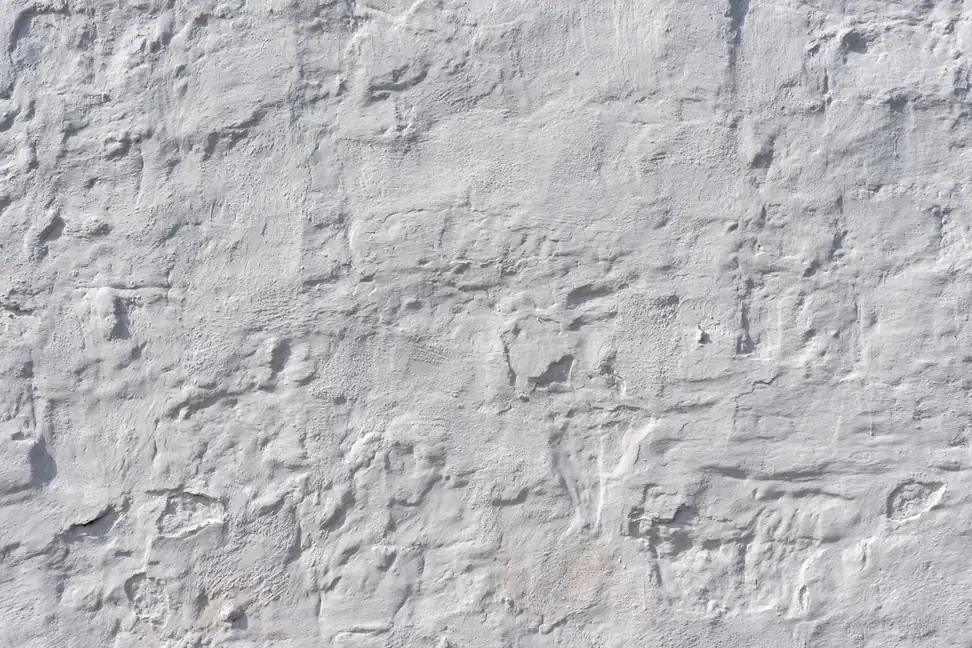
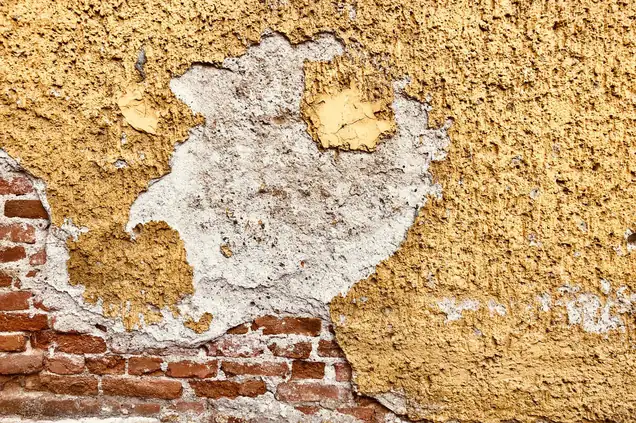
Stucco paint services in Commerce Township, MI work best after the wall has been separated into repainting, preparation, and repair needs. A faded but stable surface follows a very different path from a wall with failed patches, larger cracks, or loose material.
Stable stucco with a sound existing surface stays focused on preparation, coating selection, and finish renewal.
Fine cracking requires evaluation before choosing standard masonry paint or a more flexible elastomeric coating.
Previously repaired areas need texture and coating integration so the completed wall reads as one continuous finish.
Holes, loose material, larger cracks, and failed patches require repair before exterior painting moves forward.
For siding, doors, trim, and stucco together, exterior siding repainting coordinates the broader project.
You do not need to decide whether a crack belongs in painting or repair before requesting an estimate. Showing where the stucco changes condition gives Four Seasons Painting & Drywall LLC the information needed to separate ordinary surface preparation from more involved repair work.
Yes, provided the cracks and surrounding stucco are evaluated first. Suitable hairline cracks work with certain coating systems, including elastomeric finishes designed for added flexibility. Wider, recurring, or moving cracks require repair attention before repainting because coating alone does not correct underlying movement.
Paint equalizes color, not physical texture. A patch that sits higher, smoother, rougher, or differently patterned from surrounding stucco catches light and shadow differently after repainting. Better texture integration before coating reduces the visual contrast between repaired and original sections.
Yes. New cementitious stucco needs to reach conditions suitable for the selected primer and finish system. Moisture and alkalinity affect coating performance, so curing and product requirements should guide application timing rather than treating fresh stucco like an older, previously painted surface.
No. Elastomeric paint provides greater flexibility and suits certain stucco walls with appropriate hairline cracking. Standard masonry coatings remain suitable for many stable surfaces. Existing paint, moisture history, crack behavior, substrate condition, and the desired finish determine which system fits the wall.
Repair takes priority when the wall has loose material, holes, larger cracks, failed patches, or deterioration that paint cannot correct. Once those physical defects are restored and the surface is stable, painting becomes the finishing step rather than the attempted repair.
Questions about colors, timing, or cost? Call us.
We provide interior painting throughout Commerce Township, Highland, Novi, Brighton, Clarkston, and the rest of Southeastern Michigan.
Hairline cracks, old patches, chalking, and physical damage do not belong under one generic coat of paint. Four Seasons Painting & Drywall LLC separates preparation from repair and matches the finish to the stucco condition.