
Burned wood, black soot deposits, and smoke residue do not require the same cleanup. Our fire and smoke damage restoration in Commerce Township, MI separates direct flame damage from surface contamination before repair, sealing, and repainting begin.
We’ll call back within one business day.
Direct flame changes the material itself. Wood can char, drywall can burn or lose surface integrity, trim can scorch, and painted finishes can blister under heat. Those conditions require inspection of the damaged component rather than treating every blackened section as something that simply needs cleaning.
Soot creates a different problem. Fine black or gray particles can settle across ceilings, walls, trim, door frames, ledges, and fixtures beyond the area where flames were visible. The residue may be heavier near the fire source but continue into adjoining rooms through open doorways and air movement.
Smoke adds another layer. Painted walls and ceilings that never burned can still hold residue or odor after the fire. Those surfaces need cleaning and, where required, smoke sealing before new coatings are applied. Repainting first can cover discoloration while leaving the underlying smoke contamination untreated.
The condition left on each surface points toward the next step. Carbonized wood requires a different response from loose soot, while smoke film on a painted wall differs from blistered coating exposed directly to heat. Fire and smoke damage restoration in Commerce Township, MI should separate these conditions before cleanup begins because char removal, soot cleaning, smoke sealing, and material replacement solve different problems.
Burned or carbonized wood, trim, and other components need inspection for how deeply the fire altered the material and whether cleaning, de-charring, repair, or replacement is required.
Black or gray particulate residue can collect across ceilings, walls, molding, ledges, and nearby rooms. The amount and location help show how combustion residue moved through the interior.
Smoke can leave residue across painted walls, ceilings, trim, and other finishes without direct flame contact. Cleaning and sealing requirements depend on what remains after surface preparation.
Blistered paint, scorched trim, cracked finishes, and altered surface material show where heat affected the interior even when the component did not burn completely.
A cleanup can stop too soon when attention stays only on the room where flames were visible. Soot can extend into hallways and adjoining rooms, smoke residue can remain on upper walls and ceilings, and heat-damaged finishes can sit beside materials that need complete removal rather than cleaning.
Another mistake is treating every dark surface as the same condition. Char is burned material. Soot is deposited with particulate residue. Smoke film can remain after visible soot is removed. Those distinctions determine whether the next step is cleaning, de-charring, sealing, repair, or replacement.
Soot and smoke can continue past the immediate fire area into door openings, ceilings, trim, hallways, and adjoining rooms where no direct flame damage occurred.
Carbonized wood or burned surface material cannot be treated like ordinary dirt. Remaining char changes the condition of the component beneath the visible blackened layer.
Applying primer or paint before required cleaning and sealing can leave smoke residue beneath the new finish instead of correcting the contaminated surface first.
One room can contain burned drywall, soot-covered trim, blistered paint, and smoke film at the same time. Each material needs to be evaluated by its actual condition.
Fire cleanup works best when the method matches what remains on the surface. Loose soot, carbonized material, smoke residue, and stubborn fire deposits are not interchangeable, so the cleanup stage should be selected around the residue and the material underneath it.
De-charring removes burned surface material where fire has carbonized part of a component. The goal is to address the charred layer before repair, sealing, or refinishing continues.
Soda blasting and dry-ice blasting provide additional methods for removing fire-related residue from suitable surfaces where ordinary wiping or vacuuming does not address the remaining deposits.
Smoke sealing follows the required cleaning and preparation when smoke-affected surfaces need isolation before new finishes are applied across the restored interior.
Four Seasons Painting & Drywall LLC currently uses de-charring, soda blasting, dry-ice blasting, vacuuming, smoke sealing, and manual cleanup within its fire-restoration work. When fire is only one part of a wider loss, repairs after major property damage provide the broader recovery path.
Fire restoration should identify where material was physically burned before deciding how surrounding residue will be cleaned. Burned components, loose soot, smoke-coated walls, and heat-damaged finishes move through different cleanup and repair steps even when they exist in the same room.
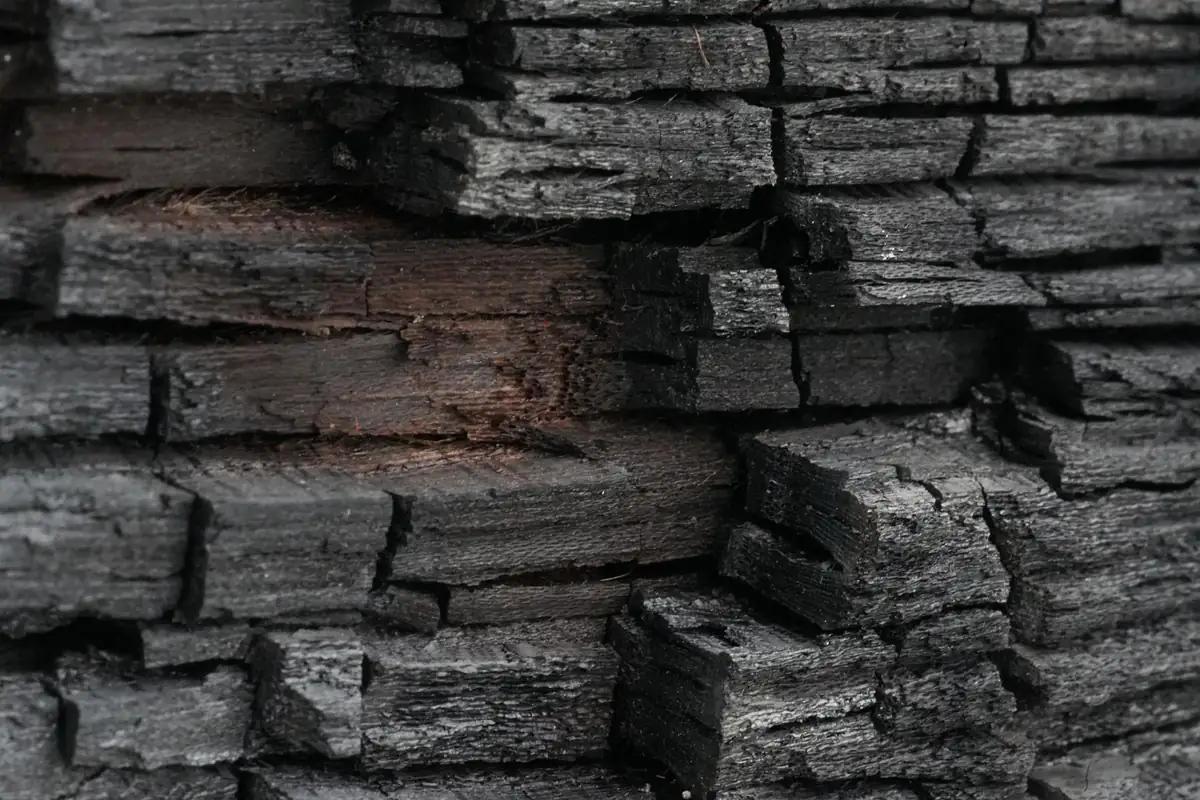
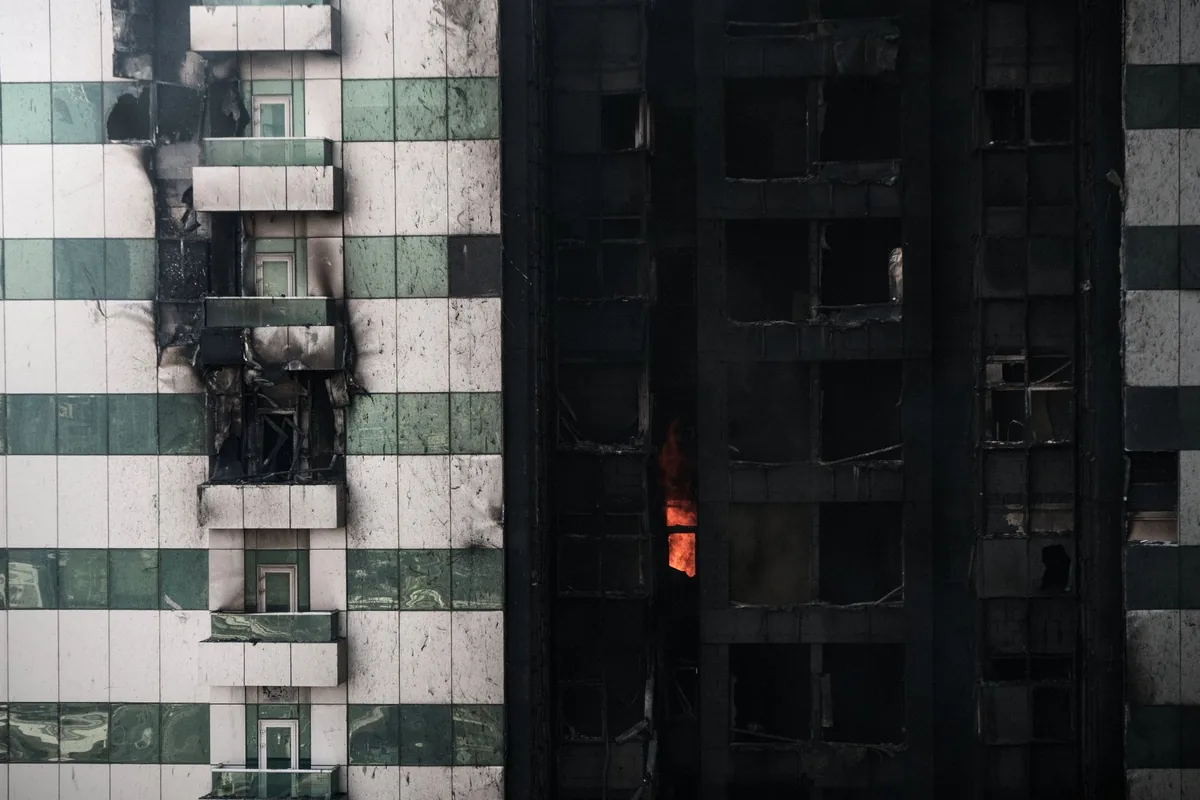
The visible evidence helps define the restoration path. A charred board requires a different response from soot settled on a ceiling, while smoke residue in an adjoining room may need cleanup even though flame never reached that space. Fires involving extensive property loss, weather exposure, water, debris, or several damage types can move into building repairs after emergencies instead of being treated as fire cleanup alone.
Carbonized wood, trim, and other components show where direct flame or intense heat damaged the material itself.
Blistered paint, scorched trim, heat-damaged coatings, and burned drywall surfaces often need more than ordinary cleaning.
Smoke and soot can travel beyond the fire area, affecting adjoining rooms, hallways, and other connected spaces.
Black or gray deposits can collect across ceilings, walls, molding, ledges, fixtures, and other exposed surfaces.
Painted surfaces and nearby rooms may carry smoke film and odor even when flames never reached them.
Photos and room-by-room notes preserve where char, soot, smoke staining, and heat damage appeared before cleaning changes the evidence. Only document rooms and surfaces that are safe to approach. For fire and smoke damage restoration in Commerce Township, MI, records of soot lines, charred components, blistered finishes, and smoke residue help establish what changed before cleanup alters the visible pattern. After restoration is complete, ongoing premises care addresses routine property upkeep separately from event-driven repairs.
Yes. Smoke can travel through doorways and adjoining interior spaces before depositing soot and residue on ceilings, walls, trim, and other surfaces. A room does not need visible flame damage to require inspection or smoke cleanup after a fire elsewhere in the property.
Soot is the particulate material created by combustion that settles onto surfaces as black or gray residue. Smoke damage is broader and can include soot, deposited film, staining, and lingering residue on materials that were never directly burned.
New paint should follow the required cleaning and surface preparation rather than covering soot or smoke film directly. Where smoke residue remains after cleaning, sealing may also be required before primer and finish paint are applied to the restored wall or ceiling.
Replacement depends on how deeply the fire damaged the wood and whether enough sound material remains for the component to keep performing properly. Surface charring and deeper material loss are different conditions, so the burned section needs inspection before deciding whether repair, de-charring, or replacement is appropriate.
Visible soot is only one form of fire residue. Smoke-related deposits can remain on or within surfaces after loose black particles are removed. Additional cleaning, preparation, and smoke sealing may be needed where residue continues to affect walls, ceilings, trim, or other interior finishes.
Questions about colors, timing, or cost? Call us.
We provide interior painting throughout Commerce Township, Highland, Novi, Brighton, Clarkston, and the rest of Southeastern Michigan.
Point out the charred trim, soot line, blackened ceiling, blistered paint, or adjoining room where smoke residue appeared. Those details separate direct fire repair from soot and smoke cleanup.