
Water can cross a doorway, wick into drywall, soak baseboards, and stain ceilings before the full damage becomes visible. Our water damage restoration in Commerce Township, MI follows that movement from water removal through drying, damaged-material removal, and interior repair.
We’ll call back within one business day.
Standing water follows floor slope, doorway openings, flooring transitions, and other low points instead of remaining where the leak or flooding first appeared. A puddle in one room can spread against baseboards, reach the bottom edge of wallboard, or continue into an adjoining room before cleanup begins.
Porous materials react differently from finished surfaces. Drywall can absorb water upward from its bottom edge, wood trim can swell or pull away, paint can blister when moisture reaches it from behind, and ceiling boards can soften after water travels from plumbing or rooms above.
Water cleanup therefore requires more than wiping visible moisture from a floor. Four Seasons’ published process includes water removal by vacuum or pump, followed by post-removal drying with industrial-grade fans. Damaged drywall, trim, coatings, and other interior components are then evaluated before reconstruction or repainting begins.
Water damage restoration in Commerce Township, MI should follow the path the water actually took rather than treating the first visible stain or puddle as the full damaged area. The first puddle provides a starting point, not the final damage boundary. Water moves horizontally across floors, upward through porous wall materials, downward through ceilings, and through doorways into rooms that may never show standing water.
Standing water often reaches baseboards, lower wall sections, flooring transitions, and perimeter joints first. These locations can remain wet after the center of the floor appears dry.
The wallboard can absorb moisture from its bottom edge upward, leaving staining, softened gypsum, swollen paper facing, or damage that extends above the visible water line.
Water from upper rooms, plumbing leaks, or roof-related entry can appear below as ceiling stains, softened board, sagging sections, peeling paint, or damaged joint compound.
Water can cross thresholds, follow floor transitions, or reach shared wall edges without leaving visible standing water in the next room, making doorway boundaries unreliable during inspection.
Water changes materials in specific ways. Drywall loses strength as the gypsum core and paper facing remain wet. Wood trim can expand or distort. Paint can separate from the wall beneath it. Each symptom points to a different repair decision after extraction and drying.
Surface appearance can also be misleading. A wall may lose its visible sheen of moisture while the lower edge remains soft, and a baseboard may look intact from the face while the back edge has swollen away from the wall. Material condition matters more than whether the surface simply looks dry.
Wet drywall can lose firmness, swell along its lower edge, stain through the paper facing, or crumble when prolonged moisture weakens the gypsum beneath the painted surface.
Baseboards, casing, and other wood components can absorb water, change shape, loosen from adjoining surfaces, or develop raised edges where the wood expanded during wetting.
Moisture behind a painted wall or ceiling can cause blistering, peeling, discoloration, and brown water marks even after visible water has been removed from the room.
The face of a wall can appear dry while lower wallboard, floor edges, trim backs, or adjoining sections remain damp because different materials release absorbed water at different rates.
Removing free water stops the puddle from continuing to spread, but it does not instantly dry the materials that already absorbed moisture. Extraction deals with water that can be physically removed. Drying addresses the moisture still held in drywall, wood, floor edges, and adjoining building components afterward.
Accumulated standing water can be removed with pumping equipment when the volume and location make direct pumping practical before detailed drying work begins.
Vacuum water removal collects remaining free water from affected sections after the main accumulation is addressed, reducing the amount left across floors and nearby surfaces.
Industrial-grade fans continue moving air across wet sections after extraction so drywall edges, trim, floor transitions, and other damp materials can continue releasing retained moisture.
Four Seasons Painting & Drywall LLC currently lists both pump and vacuum water removal, followed by post-removal drying, as part of its water-restoration process. Larger events involving wind, debris, structural exposure, or several damage types belong under major property-loss recovery rather than water cleanup alone.
For water damage restoration in Commerce Township, MI, the most useful questions concern material condition: what became wet, what dried successfully, what lost strength, and what needs to be removed before drywall, trim, or paint is rebuilt.
Water restoration should move from extraction to drying before damaged finishes are rebuilt. Beginning drywall repair or painting while materials remain wet can conceal staining, softened board, swollen wood, or moisture that has not yet left the affected construction.
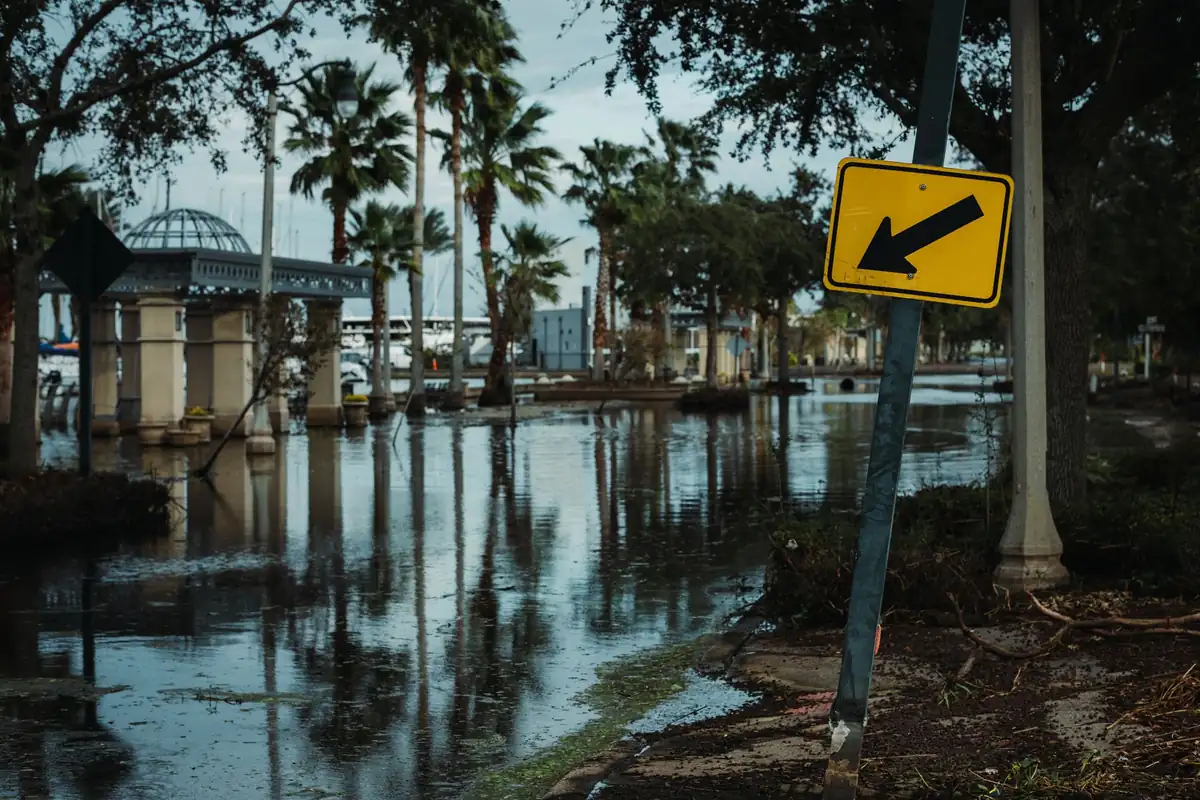
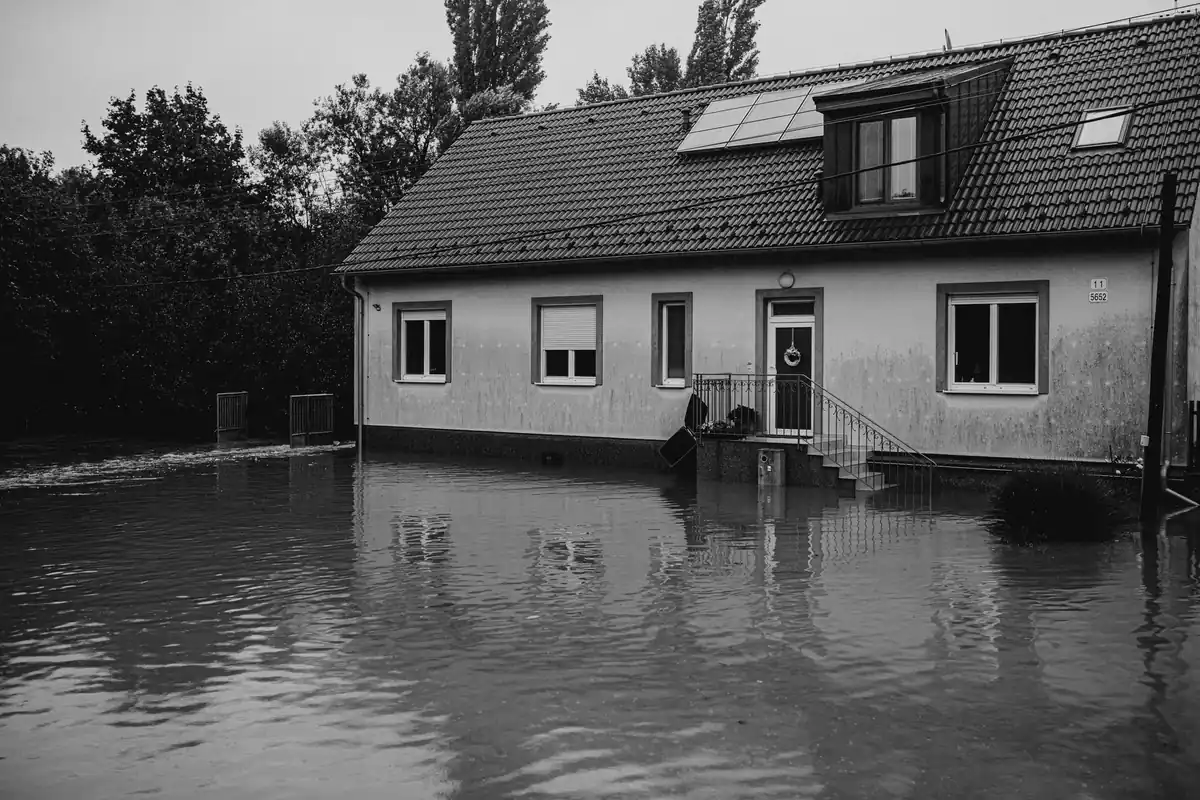
Different water-loss conditions point to different first steps. Visible standing water calls for extraction, while a ceiling stain or softened wall section requires tracing where the water traveled before deciding what needs removal or repair. When water is one part of a broader property-loss event, storm and water recovery work provides the parent restoration path instead of treating every symptom as an isolated leak.
Flooding and pooled water require removal first, followed by drying and inspection of materials exposed to moisture.
Drywall, trim, flooring, and finishes may still need attention after visible water has been removed.
Burned surfaces, smoke residue, soot deposits, and charred materials call for targeted cleanup and restoration.
Wind, water intrusion, and debris can affect several parts of the property at the same time.
Some incidents leave water, smoke, debris, and damaged finishes together, requiring several restoration steps within one project.
Photos and notes taken before damaged material is removed help show where the water traveled. Only inspect rooms and building sections that are safe to enter. If a building remains vacant after the restoration work is complete, vacant building upkeep covers continuing care separately from the original water-loss repair.
Not always. The decision depends on how much water the board absorbed, how long it remained wet, whether the gypsum softened or swelled, and whether the section dries without losing structural integrity. Wallboard that remains soft, deteriorated, contaminated, or physically damaged generally requires removal rather than cosmetic patching.
Drywall can draw water upward through its paper facing and gypsum core. This capillary movement, often called wicking, means the damp section can extend above the height of standing water. The visible water line therefore does not always mark the top of the affected wallboard.
Yes. Water can move beneath flooring transitions, cross thresholds, follow lower wall edges, or reach porous materials shared between adjoining rooms. The next room may develop damp baseboards, staining, or softened drywall without ever holding a visible puddle on the floor.
Extraction removes free water that can be pumped or vacuumed from the property. Drying addresses moisture that remains inside drywall, wood, floor edges, and other materials afterward. Removing the puddle is therefore an earlier step, not proof that every wet material is ready for repair.
Repair work should begin after retained sections have dried sufficiently and failed material has been removed. Soft drywall, swollen trim, blistered paint, or damp adjoining sections should be corrected first. New wallboard, compound, primer, and paint belong after the water-removal and drying stages are complete.
Questions about colors, timing, or cost? Call us.
We provide interior painting throughout Commerce Township, Highland, Novi, Brighton, Clarkston, and the rest of Southeastern Michigan.
Point out the water line, soft drywall edge, swollen baseboard, ceiling stain, or doorway the water crossed. Those details show where extraction, drying, removal, and repair need to begin.