
A fence rarely wears evenly from post to post. Lower boards may weather differently from top rails, gates take repeated handling, and one side can age faster than the other. Fence painting services in Commerce Township, MI should account for those differences before repainting begins.
We’ll call back within one business day.
A fence may look like one continuous surface from a distance, but individual sections often experience very different conditions. One side can receive stronger sun, another may stay shaded by trees, and lower boards can collect mud splash or sprinkler moisture. Gates, replacement pickets, and repaired sections introduce still more variation along the same property line.
That makes fence painting services in Commerce Township, MI more than a matter of choosing one color and carrying it from end to end. Posts, rails, pickets, gates, and reverse faces need to be considered according to material, access, old coating, and how each part has weathered.
Four Seasons Painting & Drywall LLC works with wood, wrought iron, aluminum, PVC/vinyl, electric fencing, and other fence types. The company also documents exterior-grade paints, different color and gloss options, cleaning, priming, inspection, and layered paint application as part of its fence-painting capability.
Repeated components create many edges, joints, recesses, and transitions across a fence. A broad panel may still have stable paint while the gate beside it is chipped around the latch, or recently replaced pickets may sit beside older boards carrying several previous coatings. Looking at those parts separately creates a more accurate repaint plan.
Pickets, privacy panels, and repeated narrow boards create front faces, back faces, edges, and gaps that all need attention. Replacement boards or old coating between closely spaced sections can also affect consistency.
Posts support the fence while horizontal rails connect sections and often catch more moisture or debris along their upper edges. Post bases near soil, mulch, or landscaping can age differently from higher sections.
Gates move, swing, latch, and receive frequent hand contact. Hinges, latches, handles, gate edges, and areas where hardware meets the painted surface often show wear patterns that fixed panels do not.
Wrought iron and aluminum fencing need to be treated according to the metal and existing coating rather than as though they were wood. Rust, oxidation, bare metal, and old finish conditions can change preparation and product selection.
A faded fence is not necessarily a failing fence. Sometimes the main issue is an aging coating on otherwise sound material. In other cases, lower boards stay damp, gates have been repaired several times, or replacement pickets have created an uneven mix of new and old surfaces.
Painting works best when those differences are identified first. Coating can refresh suitable wood or metal, but it should not be used to disguise soft lumber, failed posts, seriously damaged gate components, or material that no longer provides a sound surface.
Fence sections closest to soil, mulch, grass, sprinklers, and splashback can deteriorate differently from the same boards higher up.
The two sides of a fence can receive different amounts of sunlight, moisture, wind, and vegetation contact, so their color and coating condition may not match.
Movement and repeated handling concentrate damage around gate edges, latches, hinges, and contact points that do not exist on stationary fence panels.
New pickets, patched rails, replacement posts, or older spot repairs may accept paint differently from the surrounding original material.
The most useful fence assessment separates material, coating history, and access before choosing the repaint approach. A wood privacy section, aluminum gate, repaired post, and shaded neighbor-facing side may all belong to the same fence while presenting very different preparation needs.
Wood, wrought iron, aluminum, PVC/vinyl, and other fence materials should not automatically receive the same preparation or coating. Four Seasons Painting & Drywall LLC already works across multiple fence types, allowing material to guide the finish decision.
A fence may be bare, painted, stained, peeling, chalked, rusted, or covered with an unknown older finish. Knowing what remains on the surface helps determine how much preparation is needed before repainting.
Painting both faces can depend on property boundaries, landscaping, narrow side yards, gates, neighboring access, vines, or structures built close to the fence. Those conditions should be identified before the work is planned.
If the fence is only one part of a broader outdoor project, outdoor paint application can coordinate with other exterior surfaces. Nearby horizontal wood should stay separate through outdoor deck refinishing because deck boards experience traffic and moisture differently from vertical fencing.
Fence painting is easier to control when the work follows the fence line systematically rather than treating every board as identical. Material changes, gates, repaired sections, reverse faces, and lower areas can then be handled in the context of the entire run.
Where exterior washing is appropriate for the material and condition, building facade washdowns can be considered separately rather than assumed necessary for every fence.
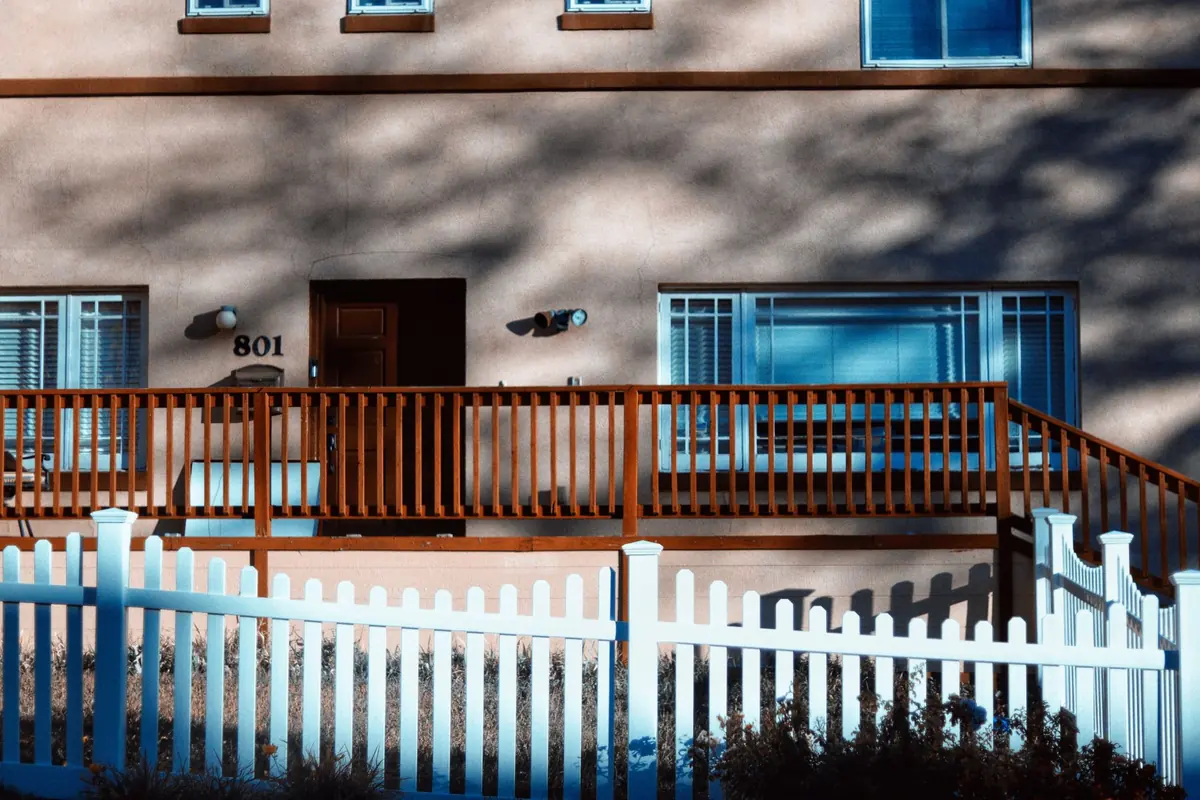
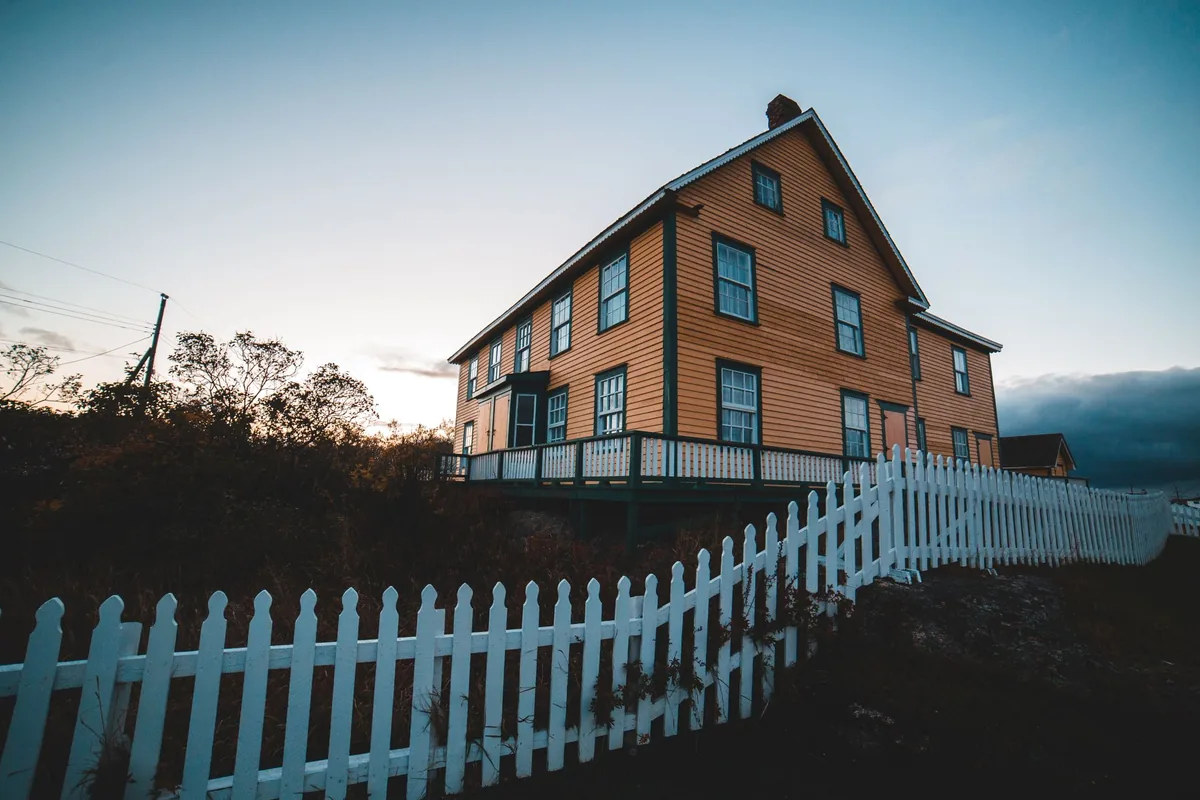
Fence painting services in Commerce Township, MI are most useful when the overall fence remains serviceable, and the primary problem is coating wear or appearance. Looking at the fence section by section helps separate repainting from areas where repairs or replacement should come first. For decks elsewhere on the property, deck sealing and wood protection address a different wood-finish decision and should not be treated as the same process used on vertical fence surfaces.
Sound panels and posts with aging paint can remain focused on preparation and repainting.
Replacement pickets or patched rails may need additional attention to blend with older surfaces.
Moving gates, latches, hinges, and worn edges often need their own preparation decisions.
Wood, iron, aluminum, or vinyl sections should follow material-specific coating requirements.
Soft boards, failed posts, or badly damaged components should be corrected before repainting.
A productive estimate starts with the places where the fence changes condition. You do not need to diagnose the problem yourself; simply showing the sections that look, feel, or function differently helps define what belongs in painting and what may need more attention.
That depends on the finish goal, existing coating, exposure, access, property boundaries, and which sides are included in the project. One face may weather faster than the other, so both should at least be evaluated. Neighbor-side access should also be discussed before the estimate is finalized.
Complete removal is not automatically necessary when the remaining coating is well bonded. Loose, peeling, or unstable paint should not simply be covered, however. The existing finish, exposed wood, previous repairs, and condition of individual boards determine how much preparation is appropriate before repainting.
Soft, badly split, loose, or substantially deteriorated boards should not be treated as a coating problem. Paint can refinish sound material but cannot restore lost wood strength. Replacing unsuitable boards first also prevents fresh paint from being used to hide damage that will continue developing underneath.
Access should be identified during the estimate. Neighboring property, dense landscaping, sheds, retaining walls, narrow side yards, or other obstructions can limit which faces and edges can be reached. The included surfaces should be clear before work begins so there is no assumption that inaccessible sections are part of the repaint.
Yes, different fence materials can be included in one project, but they should not automatically receive the same preparation or coating. Wood, wrought iron, aluminum, and other surfaces have different needs. Each component should be assessed separately and then coordinated into the overall fence color plan.
Questions about colors, timing, or cost? Call us.
We provide interior painting throughout Commerce Township, Highland, Novi, Brighton, Clarkston, and the rest of Southeastern Michigan.
A faded gate, worn lower boards, replacement pickets, and a shaded back section may not need identical treatment. Four Seasons Painting & Drywall LLC assesses the fence section by section and defines what can be repainted and what needs attention beforehand.