
Four Seasons Painting & Drywall LLC helps owners, lenders, and property managers keep vacant buildings from becoming unknown buildings. Our property preservation services in Commerce Township, MI document changing conditions, handle appropriate upkeep, and identify damage that needs a different response.
We’ll call back within one business day.
A stain discovered today is easy to see. The harder question is when it appeared. Without a previous reference, nobody knows whether the mark developed yesterday, spread for several weeks, or has remained unchanged since the property first became vacant. The same uncertainty applies to cracks, peeling paint, loose trim, and other visible deterioration.
Property preservation works better when every visit creates something the next visit can use. Photographs, room locations, existing defects, repaired sections, and exterior conditions establish reference points. The goal is not to create paperwork for its own sake. It is to know whether the building looks the same, better, or worse than before.
Property preservation in Commerce Township, MI becomes more useful when every return visit answers one practical question: what is different from the last known condition of the building? That comparison helps separate an old cosmetic defect from a new repair need, a returning problem, or damage that should move beyond ordinary preservation.
A vacant property leaves evidence of change across specific parts of the building. Looking at the same locations over time creates a more reliable picture than relying on memory or treating every observation as if it appeared for the first time.
Walls, ceilings, flooring edges, trim, and finishes can reveal staining, impact damage, peeling, cracks, or other visible changes that become easier to interpret when earlier conditions are documented.
Paint, stucco, trim, doors, and exterior surfaces continue facing weather exposure during vacancy, making repeated visual comparison useful for identifying newly developed deterioration.
Doors, window areas, thresholds, frames, and access points can show water evidence, finish damage, impact, or other changes around the building envelope.
Old patches, repaired drywall, repainted sections, and corrected exterior areas become reference points because recurring damage is easier to recognize when earlier work is known.
Vacancy does not create every stain, crack, or deteriorated finish. It changes how long those conditions can exist before someone notices them. In an occupied building, daily use supplies constant observation. In an empty property, weeks can pass between the first visible sign of deterioration and the next person entering the room.
Uncertainty makes repair decisions harder. A photographed crack can be compared later. An undocumented crack discovered months into vacancy has no known progression. The same applies to water staining, repeated patch failure, peeling coatings, or exterior trim damage. Preservation is more useful when new evidence can be compared against an earlier condition.
A stain with no prior reference offers little information about when it appeared, whether it is spreading, or whether surrounding material has changed since the last visit.
Cracks in drywall, stucco, joints, or finishes are easier to evaluate when their previous length, location, and surrounding condition have already been recorded.
A repaired area that fails again means something different from a defect appearing for the first time, especially when earlier work can be identified.
Weather-exposed paint, trim, stucco, doors, and other exterior materials can continue deteriorating while nobody is present to notice the progression.
An unattended property is easier to preserve when its starting condition is clear. The objective is not merely to collect photographs. It is to create a dependable reference for determining whether later staining, cracking, coating failure, wall damage, or exterior deterioration is old, new, stable, or getting worse.
Existing defects, repairs, finish wear, and exterior conditions should be documented so later visits do not mistake old problems for new changes.
New staining, cracks, peeling, damaged trim, or altered surfaces become more meaningful when they can be compared directly with an earlier record.
Preservation should stop being the only response when newly observed damage requires specialized restoration, broader repair work, or another property-service path.
When the building remains generally stable but needs broader repairs and ongoing maintenance, property upkeep solutions provide a wider service path beyond vacancy-specific preservation. The preservation record still matters because it shows what changed before that work began.
Property preservation should work as a repeating cycle rather than a one-time inspection. Each visit begins with the last known condition, compares what has changed, addresses appropriate upkeep, and leaves an updated record for whoever returns next.
With property preservation in Commerce Township, MI, every completed visit should make the next one easier to interpret because the property’s current condition has been documented again rather than left to memory.

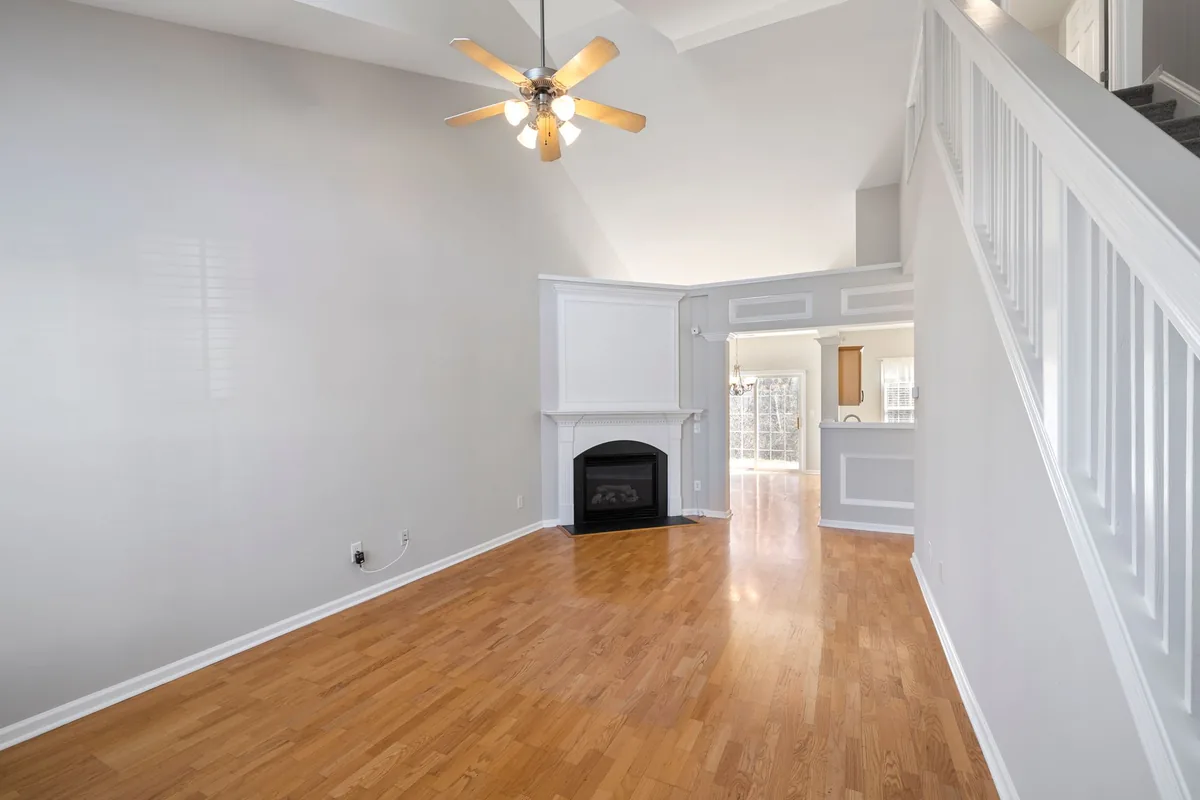
The next action should be based on what the property record actually shows. Some visits confirm stability. Others reveal cosmetic wear, returning defects, active damage, or a change in occupancy that moves the building into a different service path.
The property remains consistent with the previous record and needs continued observation.
New paint, trim, drywall, or finish wear requires ordinary preservation-level attention.
A previously repaired stain, crack, patch, or coating problem has appeared again.
Fire, storm, smoke, or major deterioration may require property loss response work before preservation continues.
An operating business may need business property caretaking instead of vacancy-focused preservation.
A repeatable comparison is more useful than a general walkthrough because the same walls, repairs, openings, and exterior surfaces can be checked against a known earlier condition instead of evaluated from memory.
Property maintenance can apply to occupied or regularly used buildings. Preservation is more focused on vacant, unattended, REO, or similar properties where regular occupants are not present to notice changes. That makes condition documentation, comparison between visits, and timely identification of new deterioration especially important.
Useful records include room conditions, walls, ceilings, visible stains, cracks, repaired areas, exterior elevations, openings, trim, and other surfaces where change may occur. Photographs are most helpful when later visits capture the same areas from similar viewpoints so differences can be compared.
Yes. A listed property can still require condition checks, repairs, finish upkeep, and documentation while it remains unoccupied. Preservation helps keep the property’s current condition known during the period between showings, inspections, repairs, ownership decisions, or a return to regular occupancy.
A returning defect should be treated differently from a new cosmetic issue. Compare it with earlier records, note whether its size or surrounding condition changed, and determine whether another routine repair is appropriate or whether the recurrence points to a larger problem needing further investigation.
Repainting the mark alone does not establish whether moisture is still present. Compare it with prior records, inspect nearby drywall and trim for change, and determine whether active water damage exists. When interior materials are affected, moisture-related property recovery becomes the more appropriate path.
Questions about colors, timing, or cost? Call us.
We provide interior painting throughout Commerce Township, Highland, Novi, Brighton, Clarkston, and the rest of Southeastern Michigan.
Give every future visit something reliable to compare against. Four Seasons Painting & Drywall LLC can document visible conditions, complete appropriate upkeep, and identify when a vacant building needs a repair path beyond preservation.