
Traffic, moisture, cleaning chemicals, and surface condition all influence coating performance. Specialty coatings in Commerce Township, MI are matched to those demands to create a finish suited to the way the space is used.
We’ll call back within one business day.
Decorative paint works well where color and normal surface protection are the main requirements. Floors and harder-use areas face different demands. Vehicle tires, carts, equipment, repeated foot traffic, oils, water, and frequent cleaning place far more stress on a coating than a typical painted wall experiences during everyday use.
The material underneath matters just as much as the exposure above it. Bare concrete, previously coated floors, porous slabs, repaired areas, cracks, contamination, and worn finishes all affect coating adhesion. A durable system starts with the actual substrate condition rather than choosing a product only because of its color, gloss, or advertised strength.
Projects involving specialty coatings in Commerce Township, MI include epoxy flooring for residential garages, commercial properties, and factory environments. The existing epoxy work offered through Four Seasons Painting & Drywall LLC includes surface cleaning, priming, crack and imperfection treatment, epoxy application, and multiple-coat finishing for suitable concrete floors.
The right protective finish depends on how the area operates after installation. A residential garage, customer-facing commercial floor, factory work area, and previously coated slab place different demands on adhesion, abrasion resistance, cleaning, stain resistance, and surface preparation.
Garage and utility concrete receives tire contact, tracked dirt, oil drips, water, and routine cleaning. The coating system must suit vehicle use while providing a finished surface that remains practical to maintain.
Business floors deal with repeated pedestrian traffic, carts, equipment, cleaning, and customer visibility. Coating selection must balance wear demands with the appearance and maintenance requirements of the operating space.
Factories, warehouses, and work areas experience heavier abrasion, equipment movement, contamination, and repeated operational use. The coating decision should reflect those conditions rather than copying a light-duty residential floor system.
Previously coated surfaces require closer evaluation before another material is applied. Peeling layers, contamination, poor adhesion, incompatible finishes, and exposed concrete all change how the substrate needs to be prepared.
Protective coatings depend on a reliable bond with the surface underneath. Oil residue, loose coating, dust, untreated defects, or incompatible material interrupts that bond before traffic ever reaches the floor. Adding a stronger coating over a weak foundation does not correct the preparation problem beneath it.
Daily use then adds a second layer of stress. Tires, carts, equipment, wash water, cleaners, and oil contact affect finishes differently according to coating chemistry and exposure frequency. The expected operating conditions should therefore be identified before a coating system is selected.
Oil residue, dust, loose material, and failing old coatings interfere with adhesion between the substrate and new finish. Proper preparation removes unstable material before primer or resin is installed.
Cracks, chips, voids, and damaged slab areas interrupt a continuous coating system. These defects need treatment before the finished material is expected to create an even floor surface.
Vehicle tires, rolling carts, equipment, and concentrated foot traffic create repeated abrasion across floor coatings. Higher-use areas require finishes selected with those wear patterns in mind from the beginning.
Oil, cleaners, water, and other substances interact differently with each coating system. Product selection needs to reflect the actual materials contacting the surface rather than assuming universal chemical resistance.
A coating system should be chosen from the surface outward: substrate condition first, operating demands second, and appearance after those requirements are clear. Traffic intensity, contamination, water exposure, previous coatings, maintenance routines, and expected cleaning all influence whether a resin-based floor system or another protective finish makes sense.
A lightly used garage floor and a warehouse travel path experience very different wear. Vehicle movement, carts, equipment, and pedestrian volume establish the level of abrasion the coating must handle.
Bare concrete, old epoxy, cracks, repairs, contamination, and porous areas affect adhesion differently. Preparation requirements follow the surface that exists before any new protective material is applied.
Cleaning frequency, oil exposure, tracked debris, water, and routine washdowns influence which finish remains practical after installation. The coating needs to match how the area is actually maintained.
Projects combining protective systems with conventional painting benefit from working with protective finishes and paintwork specialists who already handle both coating types. That connection also helps keep floor resins, industrial paint, and decorative coatings separated according to the surface they are intended to serve.
Coating performance begins before the finish material reaches the surface. Inspection identifies defects and contamination, preparation establishes adhesion, repairs create a more consistent substrate, and the selected coating system is then installed according to the material and use requirements of the area.
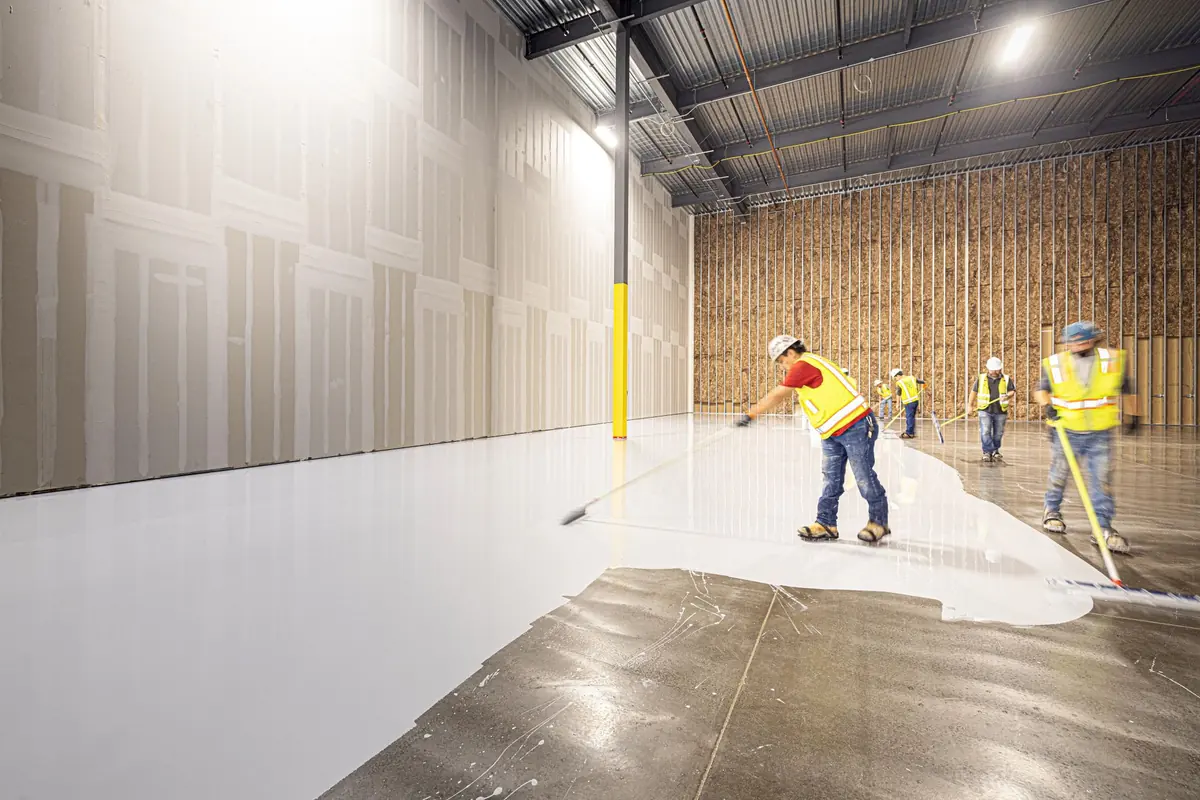

Specialty coatings in Commerce Township, MI cover several performance needs, but one system should not be forced onto every surface. Concrete floors, garages, commercial interiors, and industrial metal each require a different route based on substrate and operating conditions.
Explore resin-based concrete coatings for suitable bare or previously coated concrete surfaces.
Choose garage concrete refinishing where vehicles, tires, staining, and routine cleaning define daily use.
Use heavy-duty warehouse floor finishes for commercial concrete exposed to higher traffic and operational wear.
Metal structures and non-floor industrial surfaces follow warehouse metal repainting rather than an epoxy-flooring system.
Separate concrete, metal, walls, and floors by substrate instead of specifying one coating across every project area.
Before choosing a finish, identify what the surface experiences during normal operation. Traffic, contamination, existing coatings, defects, cleaning methods, and return-to-use requirements provide more useful information than selecting a coating by appearance alone.
Epoxy forms a resin-based coating system designed for harder-use floor conditions, while conventional floor paint generally provides a thinner decorative coating. The better choice depends on concrete condition, traffic, cleaning, contamination, and the performance expected from the finished floor.
Not every existing coating requires complete removal, but loose, peeling, contaminated, or incompatible material cannot provide a reliable base. The current finish needs to be inspected for adhesion and compatibility before preparation determines what remains and what must come off.
Cracks and surface imperfections need attention before the epoxy system is installed. Four Seasons Painting & Drywall LLC documents filling cracks and imperfections as part of its commercial epoxy preparation. Repair treatment depends on the condition and type of defect present in the slab.
The answer depends on traffic type, concrete condition, equipment use, cleaning routines, oil or chemical contact, and existing coatings. Commercial epoxy is one relevant system for suitable concrete, but the floor conditions should determine the coating rather than traffic volume alone.
No. Protective coating categories also exist for metal, masonry, and other substrates. Within Four Seasons’ services, epoxy flooring addresses suitable concrete surfaces, while broader industrial painting covers metal and other industrial areas that require a different preparation and coating approach.
Questions about colors, timing, or cost? Call us.
We provide interior painting throughout Commerce Township, Highland, Novi, Brighton, Clarkston, and the rest of Southeastern Michigan.
Tell Four Seasons Painting & Drywall LLC what contacts the surface, how heavily it is used, and what lies underneath. Those details provide a practical starting point for the coating recommendation.