
Brick can be structurally sound yet still look dated, but coating masonry is a bigger decision than repainting ordinary siding. Brick paint services in Commerce Township, MI should start with the brick, mortar, moisture history, and any finish already on the surface.
We’ll call back within one business day.
Bare masonry starts from a very different place than brick that has already been coated. Brick faces and mortar joints are porous, contaminants can settle into the texture, and white mineral deposits may point to moisture moving through the masonry. You need to understand those conditions before color becomes the main decision.
Previously painted brick brings another set of questions. Existing coating may still be tightly bonded, or it may be peeling, chalking, blistering, or missing in isolated areas. Repainting successfully depends partly on whether the old coating provides a sound base and why any failure developed in the first place.
For brick paint services in Commerce Township, MI, the most useful local assessment happens at the building itself. Shaded elevations, gutter discharge, flashing issues, repeated runoff, and areas that remain damp longer can matter more than a generic assumption about local weather. Four Seasons Painting & Drywall LLC evaluates the brick before treating the facade as a simple color-change project.
Brick may cover an entire facade or appear only around an entrance, chimney, porch, column, or architectural feature. The surface can also be bare, stained, sealed, or previously painted. Knowing which condition applies helps determine whether ordinary repainting, additional masonry preparation, or another finish direction makes sense.
Before selecting a coating system, check uncoated brick for dirt, loose mortar, efflorescence, repairs, and moisture-related symptoms. Porosity also affects how primer or masonry-compatible finishes interact with the surface.
Previously coated masonry needs close attention to adhesion. Peeling edges, chalking, exposed brick, or incompatible older coatings can make the existing film as important as the brick underneath.
Exterior chimney brick receives direct weather exposure and may show staining, mortar deterioration, or localized coating failure. Separate flashing or moisture issues from cosmetic repainting before applying a finish.
Porch columns, entry features, partial facades, and other architectural brick can be refinished without automatically painting every masonry surface on the property. This can create a focused color change while preserving other exterior materials.
Brick can look dry on the surface while still showing signs of moisture or deterioration. Investigate white crystalline deposits, crumbling mortar, peeling masonry paint, and recurring damp areas before finalizing the coating plan.
Painting can change color and provide a finished surface, but it does not rebuild deteriorated mortar or correct an unresolved water source. A coating should follow sound masonry conditions rather than become the material used to hide them.
White crystalline residue develops when moisture carries soluble salts through masonry and leaves them behind as the water evaporates. Recurring deposits suggest you should understand moisture movement before continuing to paint.
Loose, missing, or crumbling mortar is a masonry condition rather than a paint defect. Those joints may need appropriate repair before the surrounding brick is treated as ready for coating.
Existing masonry coating can separate from brick faces or mortar joints. Loose film should not become the foundation for another finish, even if most of the facade still appears painted.
Repeated staining, damp areas, recurring efflorescence, or coating failure concentrated in one location may indicate water movement that needs attention before another coat can perform normally.
Brick painting depends on the relationship between masonry condition and the coating placed over it. Four Seasons Painting & Drywall LLC currently handles residential and commercial brick painting and documents cleaning, priming, spray application, and brush-and-roller finishing as parts of its brick-painting capability.
Some brick absorbs readily while other surfaces may be denser, glazed, sealed, or previously coated. That difference can affect cleaning, conditioning, primer choice, and whether the selected finish suits the substrate.
Bare masonry and previously painted masonry should not be treated as the same starting surface. Check existing paint for sound adhesion, chalking, peeling, exposed areas, and compatibility before building another system over it.
Efflorescence, damaged mortar, recurring stains, and repeated paint failure can signal moisture issues. When those signs remain active, finding and correcting the cause matters more than immediately changing the brick color.
When brick is only one part of a siding, trim, and masonry project, weather-resistant paint finishes can address the wider exterior. Adjacent stucco should remain a separate material decision, with color updates for stucco walls rather than automatically receiving the same coating approach.
Brick preparation centers on recesses, mortar joints, pores, repairs, and the condition of the existing surface. You must first understand and clean the masonry before selecting primer or finish products for the specific brick condition.
Where exterior washing is appropriate for the masonry’s condition, high-pressure exterior cleaning may be considered as a separate preparation service rather than assumed for every brick surface.
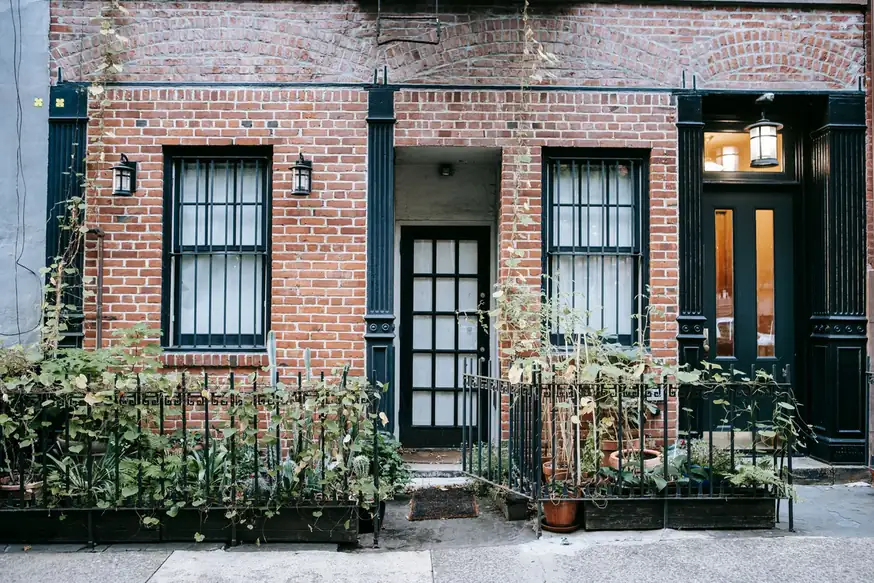
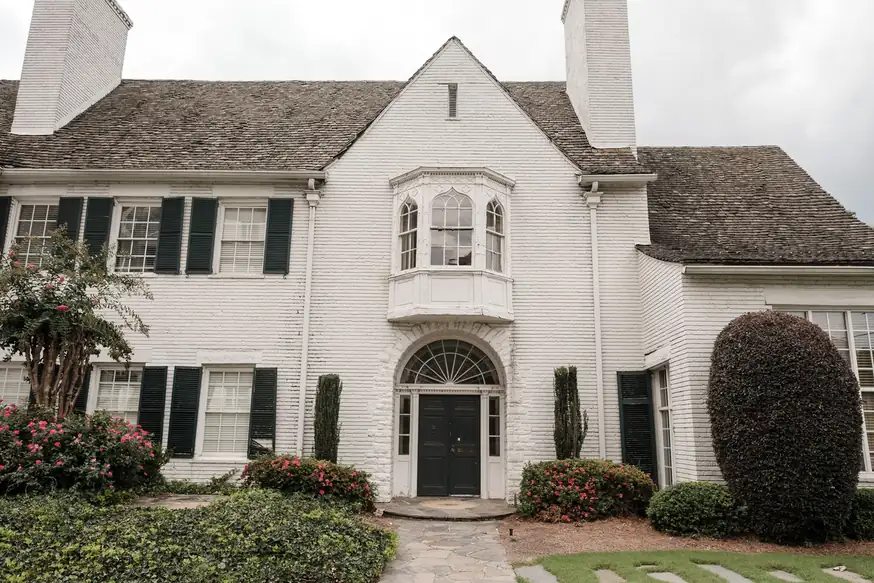
Brick paint services in Commerce Township, MI can serve very different goals. Some owners want an opaque first-time color change, while others are maintaining already painted masonry or changing only a small architectural feature. The existing condition should narrow the options before you select a final color. If adjacent stucco is physically cracked rather than simply due for a color update, handle cracked stucco patchwork as repair work before coordinating the surrounding exterior finishes.
Turn suitable bare masonry into an opaque painted exterior finish.
Renew previously painted brick when the remaining coating provides a workable base.
Change columns, entries, porch masonry, or another limited brick element.
Consider whether an opaque painted look matches the desired masonry appearance.
Address meaningful brick or mortar deterioration before treating color as the priority.
A useful brick estimate starts with masonry condition, not square footage alone. Walk the brick closely and note anything that suggests old coatings, moisture movement, joint deterioration, repairs, or different masonry conditions across the property.
Bare brick can be painted when the masonry is suitable for coating, but condition matters first. Dirt, loose mortar, efflorescence, moisture problems, previous sealers, and the brick’s absorptiveness can affect preparation. The surface should be clean, dry, stable, and compatible with the selected masonry coating system.
White crystalline deposits on brick or mortar are often efflorescent. Moisture dissolves salts within masonry and carries them toward the surface, where the water evaporates and leaves the salts behind. Don’t paint over recurring efflorescence, because continued moisture can cause the deposits to return.
Moisture behavior depends on the masonry assembly, existing coatings, water source, and permeability of the new coating. That is why product compatibility matters on brick. Correct ongoing moisture intrusion before coating, and choose a masonry finish suited to the substrate rather than relying on ordinary exterior paint by default.
Loose masonry paint should not be treated as a sound foundation. Evaluate the existing coating for adhesion, and consider the cause of failure before repainting. Depending on the condition, you may need cleaning, removal of unstable material, masonry repairs, moisture correction, or a primer.
Masonry paint generally creates a more opaque coated appearance, while limewash produces a mineral-based finish that can leave more natural variation in the brick. They are different finish systems, not interchangeable names. Existing coatings, desired opacity, masonry condition, and the finish actually offered should guide the choice.
Questions about colors, timing, or cost? Call us.
We provide interior painting throughout Commerce Township, Highland, Novi, Brighton, Clarkston, and the rest of Southeastern Michigan.
Bare masonry, peeling paint, salt deposits, and failing mortar require different preparation. Four Seasons Painting & Drywall LLC can assess the brick condition before planning the new masonry finish.