
A storm or major property-loss event can expose the exterior, admit water, damage interior walls, and scatter debris across several areas at once. Our disaster restoration in Commerce Township, MI organizes those connected repairs in the order they need to happen.
We’ll call back within one business day.
A severe weather or property-loss event rarely leaves one isolated defect. Wind can damage an exterior opening, rain can enter through that opening, water can reach ceiling boards or drywall, and interior finishes can fail afterward. Each visible problem belongs to the same event, but each requires a different repair step.
Those steps also depend on one another. Replacing damaged drywall makes little sense while water can still enter from outside. Painting should not start while wet or broken wall material remains underneath. Interior repairs become useful only after the conditions capable of damaging them again have been addressed.
Disaster recovery becomes necessary when the property no longer fits neatly into one category such as water cleanup or fire restoration. Storm exposure, flooding, debris, smoke, damaged walls, and failed finishes can overlap, requiring a recovery plan that separates each problem before putting the repairs back into sequence.
Disaster restoration in Commerce Township, MI becomes a sequencing problem when one damaged component causes or exposes the next, because the repair order has to follow those dependencies. The first damaged component can create the next repair. Exterior exposure allows water inside, interior wetting damages walls and ceilings, and weakened finishes then require removal or reconstruction. Mapping that chain prevents the most visible room from automatically becoming the first place repaired.
Wind, debris, or storm impact can damage exterior finishes, openings, or weather-facing components and create a route for rain or other outside conditions to reach the building interior.
Once water gets inside, it can reach ceilings, drywall, flooring edges, trim, and adjoining rooms beyond the exterior location where the event first damaged the property.
Wet wallboard, loosened trim, damaged coatings, broken finishes, and ceiling deterioration can turn an exterior storm event into a substantial interior repair project.
One room can contain wet drywall, broken trim, ceiling staining, debris, and damaged finishes together, requiring more than one cleanup or repair method before reconstruction begins.
The room that looks worst is not always where recovery should begin. A ceiling stain may dominate the interior, but replacing that ceiling before the source of water entry is corrected risks damaging the new work again. Disaster restoration has to distinguish the visible consequence from the condition that produced it.
Mixed losses create another sequencing problem. Water, soot, debris, broken materials, and failed finishes do not move through the same cleanup steps. Each needs its own response, yet the work still has to connect in an order that leaves later repairs on stable construction.
Interior drywall or paint should not lead the repair when an exterior opening, continuing water entry, debris, or another unresolved cause can still affect the same section.
The first event can produce later material failure elsewhere in the building, especially when water, exposure, or debris reaches adjoining ceilings, walls, trim, or finishes.
Standing water, soot, debris, broken finishes, and damaged building components require different cleanup methods even when one storm or disaster produced all of them.
Closing walls, installing trim, or repainting before cleanup and material removal are complete can conceal wet boards, broken components, or residue that still requires correction.
A disaster creates parallel problems, but the repairs still need an order. The source of continuing damage comes first, dependent cleanup and removal follow, and finish work comes after the underlying construction is stable enough to support it.
The condition that created or allowed the damage should be identified before repairing stains, broken finishes, wet walls, or other consequences farther inside the property.
Each cleanup or repair step should be checked against the work that follows it. Drywall, trim, and paint should not depend on unfinished water removal or unresolved damaged construction.
Wall finishing, trim installation, primer, and paint belong after wet, burned, broken, or contaminated materials have been addressed, and the repair underneath is complete.
When the event needs to be separated into individual restoration paths, our broader building recovery specialties distinguish water, fire, smoke, storm, and other damage by what each part of the property actually requires.
Disaster restoration starts by mapping the entire event footprint rather than repairing rooms independently. Exterior damage, water entry, debris, wet materials, fire residue, and damaged finishes are separated first, then the repair order follows whichever condition the later work depends on.
Where standing water, wet drywall, or moisture migration becomes the dominant problem, flood recovery and wall repairs take over that part of the recovery. Char, soot, and smoke residue belong under fire-damaged interior recovery.
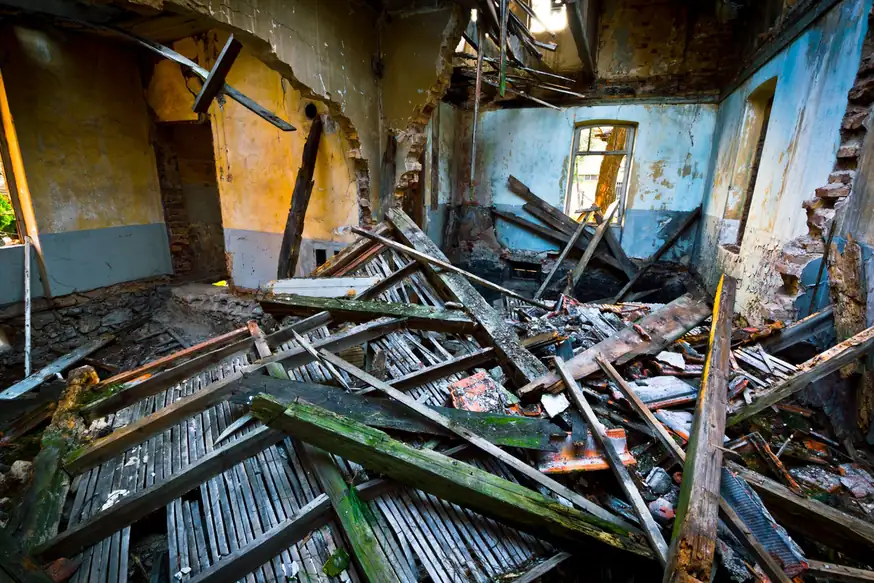
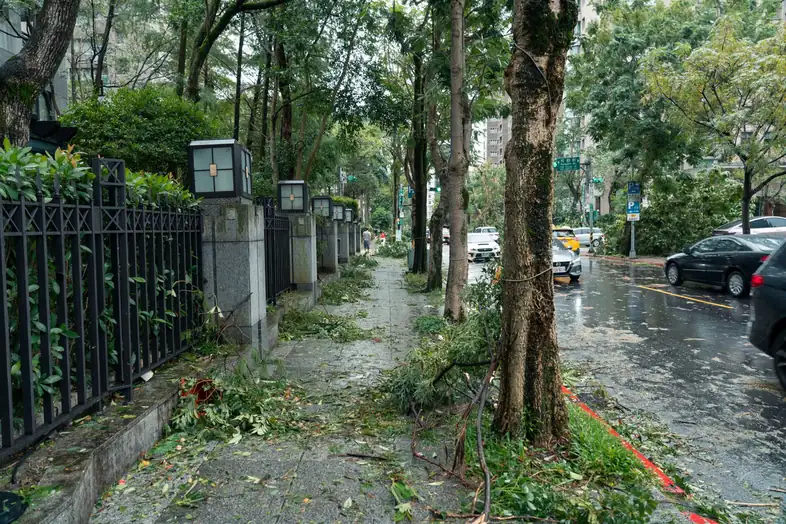
The leading repair path is not necessarily the one with the largest visible stain or the most damaged-looking room. It is the condition that has to be corrected before the other work can continue without being damaged, contaminated, or reopened. For disaster restoration in Commerce Township, MI, the leading damage path should be the one that must be resolved before the other repairs can proceed in a stable and logical order.
Storm damage to roofing, siding, windows, or other exterior areas may open a path for rain to reach interior rooms.
Standing water often leaves more than a wet floor, affecting drywall, ceilings, trim, and other interior materials.
Burned materials, soot deposits, smoke residue, and heat-damaged finishes can spread restoration work beyond the immediate fire area.
Broken exterior sections and storm debris may leave building components exposed while interior surfaces are damaged at the same time.
Some losses involve several conditions at once, making water, fire, smoke, or storm damage too interconnected to treat as separate problems.
A room-by-room and exterior damage map makes the relationships between problems easier to see. Only enter or document sections of the property that are safe to approach. If the property remains unoccupied after restoration, foreclosure property care addresses continuing vacant-building needs separately from the original disaster recovery.
Water restoration focuses specifically on extracting water, drying wet materials, and repairing water-damaged drywall, trim, ceilings, and finishes. Disaster restoration is broader and becomes relevant when storm exposure, debris, water, fire, smoke, or several repair tracks overlap and have to be placed in the correct order.
Four Seasons Painting & Drywall LLC handles water and flood restoration, fire and smoke restoration, wind and natural-disaster recovery, damage inspections, cleanup, and related reconstruction work. The exact combination depends on whether the property contains wet materials, fire residue, storm exposure, debris, or several conditions together.
The repair sequence should begin with the condition allowing additional damage to continue. Interior drywall, trim, or paint should not be rebuilt while the same area can still be exposed to water. Once continuing entry is addressed, wet materials can move through removal, drying, repair, and refinishing.
Yes. A single event can leave standing water, wet wallboard, burned components, soot, smoke residue, and debris in different parts of the property. Each condition follows its own cleanup method, but the overall recovery plan determines which work must finish before the next repair begins.
Not when unresolved exterior damage can expose the new drywall to water or weather again. Interior wall repair should follow the work that stops continuing exposure, removes wet or failed material, and leaves the surrounding construction ready to support a finished wall.
Questions about colors, timing, or cost? Call us.
We provide interior painting throughout Commerce Township, Highland, Novi, Brighton, Clarkston, and the rest of Southeastern Michigan.
Show which exterior damage led to water entry, which rooms developed secondary damage, and where several repair types overlap. The recovery plan should begin with the condition every later repair depends on.