
Customer traffic, carts, equipment, cleaning, and daily work do not affect every floor area equally. Our commercial epoxy flooring contractors in Commerce Township, MI plan resin flooring around how the business actually uses each section.
We’ll call back within one business day.
A commercial floor supports more than people walking across it. Entrances channel customer traffic, employees follow repeated work routes, carts move between service and storage areas, and equipment concentrates wear in predictable locations. Epoxy flooring gives those concrete surfaces a continuous finish built around the operational demands of the business rather than appearance alone.
Cleaning adds another layer of daily use. Water, oils, tracked dirt, routine cleaners, and work-related spills reach different areas at different frequencies. A customer-facing entrance, stock room, service area, and warehouse aisle therefore place different demands on the same floor system even when they exist inside one property.
Commercial epoxy flooring contractors in Commerce Township, MI also need to account for cracks, existing coatings, damaged concrete, and the time each area must remain unavailable during installation and curing. Commercial epoxy work completed by Four Seasons Painting & Drywall LLC includes concrete preparation, defect treatment, priming, resin application, and multiple coating layers.
A business floor rarely performs one job from wall to wall. Customer areas prioritize cleanliness and presentation, employee zones receive repeated task-related movement, traffic routes concentrate wear, and support areas need practical surfaces that remain manageable during regular operations. Businesses with several surfaces requiring different protective finishes can compare our broader specialized resin applications instead of applying one coating system across unrelated materials.
Entrances, counters, waiting areas, and customer routes receive frequent pedestrian traffic while remaining highly visible. The floor finish needs to support regular cleaning without leaving those public-facing sections visually disconnected from adjoining areas.
Employee zones experience repeated movement, tools, carts, equipment, and work-related spills throughout the day. These floors need a resin finish selected around actual activity rather than the lighter demands of occasional foot traffic.
Corridors, cart paths, loading approaches, and repeated travel lines concentrate wear into narrow sections. Identifying those routes helps distinguish heavily used floor areas from surrounding concrete that receives far less daily contact.
Stock rooms, service spaces, storage zones, and back-of-house floors prioritize practical cleaning and working durability. Their flooring still needs consistent preparation and coverage even when customers rarely see those areas.
Commercial-floor problems become operational problems when they slow cleaning, collect debris, create visibly worn traffic lanes, or leave rough areas beneath carts and equipment. The most heavily used sections often deteriorate first because business activity is concentrated rather than evenly distributed across the concrete.
The source of that wear matters. Repeated pedestrian traffic creates different stress from rolling carts, oil exposure, wash water, or damaged concrete. A commercial epoxy project should identify those conditions before installation so the finished floor addresses the way each area is actually used.
Entrances, aisles, employee routes, and cart paths receive far more repeated contact than low-use corners. Heavy use in narrow travel zones creates visible wear long before the entire commercial floor reaches the same condition.
Oil, water, cleaners, and work-related spills collect around service areas, equipment, counters, and maintenance zones. Regular exposure increases cleaning demands and makes coating selection especially important in those recurring spill locations.
Cracks, damaged patches, rough concrete, and surface defects trap dirt that smooth finished areas release more easily. Those interruptions make routine commercial floor care slower and leave debris concentrated in damaged sections.
Commercial floors rarely age uniformly. Entrances, customer routes, loading areas, and work zones often show greater wear while low-traffic sections retain more of their original appearance and coating condition.
Commercial epoxy works best when the floor is considered as part of the business operation. Traffic volume, cleaning frequency, spill exposure, equipment movement, and access restrictions all influence where the greatest demands occur and how installation should be organized.
Customer routes, employee movement, carts, and equipment create repeatable paths across the floor. Mapping those paths identifies the areas that carry the highest daily load and require the closest attention.
Daily sweeping, scheduled washing, spill cleanup, and task-specific cleaning determine what the finished surface encounters after installation. The flooring should support the maintenance routine already required by the business.
Epoxy installation removes the treated area from normal use while preparation, coating, and curing take place. Scheduling needs to reflect when customers, staff, carts, and equipment must return safely to the floor.
Commercial properties working with Four Seasons Painting & Drywall LLC also have access to painting and property-maintenance services, which keeps floor installation separate from the surrounding building work while still allowing those needs to be coordinated within the same property.
A commercial flooring project begins with the way the area operates. Entrances, work zones, loading paths, existing coatings, cracks, and access requirements are identified before the concrete is prepared. Installation then moves through defect treatment and resin application before the area returns to normal business use. After installation is complete, maintenance for office properties addresses recurring property-care needs separately from the new epoxy flooring project.
For a deeper look at concrete preparation, primer, resin layers, and coating build, Durable Resin Floor Finishes explains the epoxy system itself rather than the operational planning of a business floor. When walls, ceilings, or exterior surfaces need updating alongside the floor, retail and warehouse repainting keeps conventional paintwork separate from the epoxy flooring system.
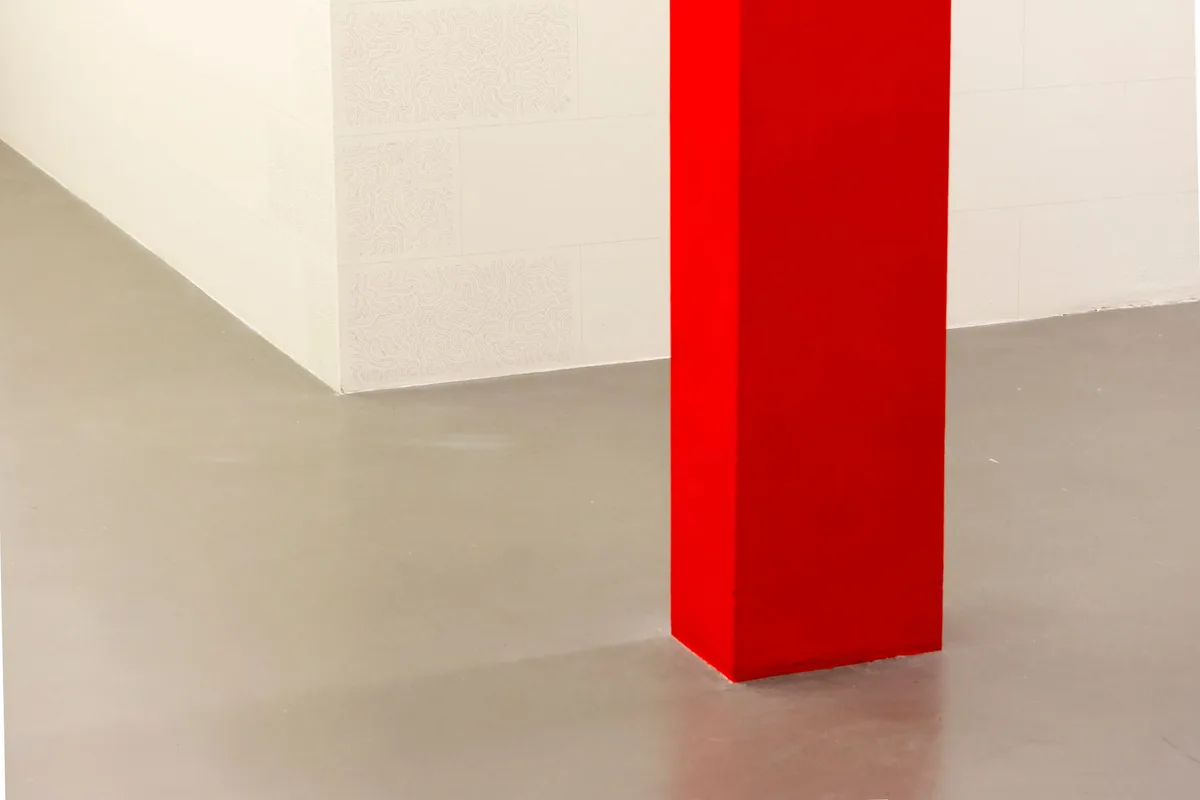
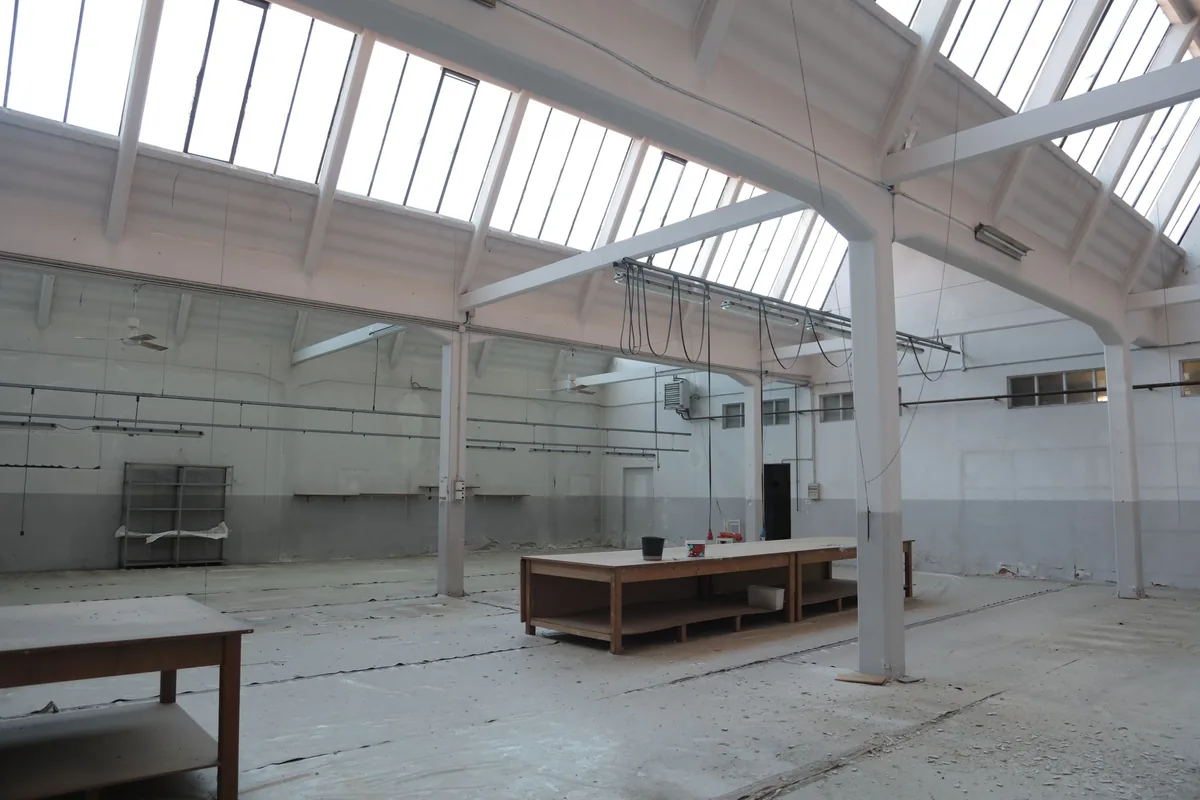
The right application depends on how the space functions, what moves across the floor, and which sections receive the most concentrated use. Commercial epoxy flooring contractors in Commerce Township, MI work across business environments with very different traffic and maintenance patterns.
Customer-facing floors need to handle steady foot traffic, tracked-in debris, and repeated cleaning without looking prematurely worn.
Carts, tools, equipment, and routine spills place different demands on employee work zones throughout the day.
Stock rooms and back-of-house spaces benefit from durable surfaces that simplify cleaning and ongoing floor maintenance.
Larger concrete floors face heavier traffic, rolling equipment, and repeated movement across the same travel paths.
Worn or previously coated concrete must be assessed for adhesion, damage, and surface preparation before a new resin system is applied.
Commercial-floor installation affects access, traffic routes, cleaning, and normal operations while the treated area is unavailable. Identifying those details beforehand gives the project a clearer sequence and prevents return-to-use requirements from being treated as an afterthought.
Installation depends on which areas can be cleared and kept out of use during preparation, coating, and curing. Businesses often need access planning around entrances, work zones, customer routes, and equipment paths so untreated areas remain separate from sections undergoing flooring work.
Epoxy flooring is commonly used in higher-traffic commercial environments because the resin system creates a continuous finished surface over properly prepared concrete. Traffic type still matters, since pedestrian routes, rolling carts, equipment, and loading areas place different demands on the floor.
A continuous coated surface removes much of the exposed concrete texture where dirt and residue collect. Properly finished epoxy also makes routine sweeping and washing more practical, especially across customer areas, work zones, stock rooms, and other spaces cleaned frequently.
Cracks and surface imperfections are addressed before the resin system covers the concrete. Treating suitable defects creates a more consistent floor and reduces the rough recesses where dirt accumulates. The repair method follows the type and condition of the concrete defect.
Return-to-service timing depends on the resin system, temperature, curing conditions, and the traffic returning to the floor. Light foot traffic and rolling equipment place different demands on fresh coating, so reopening follows the installed system’s cure requirements.
Questions about colors, timing, or cost? Call us.
We provide interior painting throughout Commerce Township, Highland, Novi, Brighton, Clarkston, and the rest of Southeastern Michigan.
Show Four Seasons Painting & Drywall LLC where customers, employees, carts, equipment, and cleaning routines place the most demand on the floor. Those operating patterns provide the starting point for the commercial epoxy project.