
Epoxy flooring depends on what happens beneath the finished surface. Our epoxy floor coating company in Commerce Township, MI addresses concrete condition, cracks, contamination, primer, resin mixing, and coat build before the floor returns to use.
We’ll call back within one business day.
Epoxy does more than change the appearance of a concrete floor. The resin system has to bond to the slab beneath it, which makes surface condition central to the installation. Dust, oil residue, loose coatings, cracks, and damaged concrete interfere with adhesion when they remain between the slab and the new coating.
Previously coated concrete presents another layer of consideration. Existing paint, old epoxy, sealers, exposed slab areas, and repaired sections do not automatically provide the same bonding surface. Preparation needs to establish stable concrete or a compatible existing finish before primer and epoxy are expected to perform as one continuous floor system.
The installation method used by our epoxy floor coating company in Commerce Township, MI includes surface cleaning, priming, crack and imperfection treatment, mixed epoxy application, perimeter detailing, and a second coat where the system requires it. Those steps keep preparation, resin application, and finished coverage connected from the concrete upward.
A finished epoxy floor is built through several connected layers rather than one pass of floor paint. Concrete preparation establishes the base, crack treatment corrects interruptions in the slab, primer supports coating adhesion, and the epoxy layers create the continuous resin surface that receives daily wear.
The slab needs a clean and stable surface before coating. Dirt, oil residue, loose material, failing paint, and incompatible finishes interfere with the contact required between concrete, primer, and resin.
Cracks, chips, and surface imperfections interrupt an otherwise continuous floor. Treating those defects before coating creates a more consistent base and prevents the resin from simply following damaged concrete underneath.
Primer forms the first coating interface over prepared concrete. It supports adhesion between the slab and the resin layers that follow while helping establish a consistent base across the floor.
Mixed epoxy creates the main resin surface across the prepared slab. Even distribution, perimeter coverage, and the additional coating layer build continuity across field areas, edges, and repaired sections.
Epoxy failure often begins at the bond line rather than at the visible top surface. Oil residue, dust, loose concrete, unstable old paint, or incompatible material creates a weak layer between the slab and resin. Once that layer releases, the coating above it loses the stable foundation it depends on.
Application quality matters as well. Cracks left untreated, thin resin coverage, missed perimeter areas, and inconsistent coating build create weak points across the finished floor. These conditions differ from ordinary surface wear because they originate in preparation, adhesion, or installation rather than daily traffic alone.
Oil, embedded dirt, loose residue, and other contaminants prevent the coating from making reliable contact with the concrete. Cleaning and preparation need to remove those barriers before primer or epoxy is installed.
Existing paint or resin that is already peeling creates a weak base beneath new material. Coating over unstable layers transfers the adhesion problem into the new floor instead of correcting it.
Open cracks, chips, and voids interrupt the concrete surface beneath the resin. Repairing appropriate defects before coating produces a more consistent base for primer and epoxy across the completed floor.
Thin areas, missed edges, and inconsistent resin distribution leave different coatings built across one floor. Controlled perimeter work and even application reduce abrupt changes between high-build and under-covered sections.
An epoxy floor performs as a system only when the concrete, primer, resin, and successive coats work together. Reliable adhesion begins with substrate preparation, while accurate mixing and consistent application determine how the resin develops across the slab. Finished appearance alone does not reveal whether those underlying conditions were handled correctly.
Prepared concrete provides the foundation for the entire coating system. Porosity, contamination, previous finishes, repairs, and primer all influence how securely the resin connects to the slab beneath it.
Epoxy components need thorough mixing before application so the material develops according to the coating system requirements. Poorly combined resin affects consistency across the floor during application and cure.
Primer, field application, perimeter coverage, and additional epoxy layers build the finished resin surface. Consistent coverage keeps edges, repaired areas, and broad floor sections within the same coating system.
When epoxy is only one part of a larger protective-finish project, our long-wear coating options separate resin flooring from other coating types according to substrate and use. Floors requiring broader cleaning or coating preparation can also move through paint-ready surface treatments before resin installation begins.
The epoxy installation follows the concrete condition rather than starting with the finish coat. Surface inspection identifies existing problems, preparation establishes a bondable base, defect treatment corrects interruptions in the slab, and the resin layers are then applied across the prepared floor in sequence.
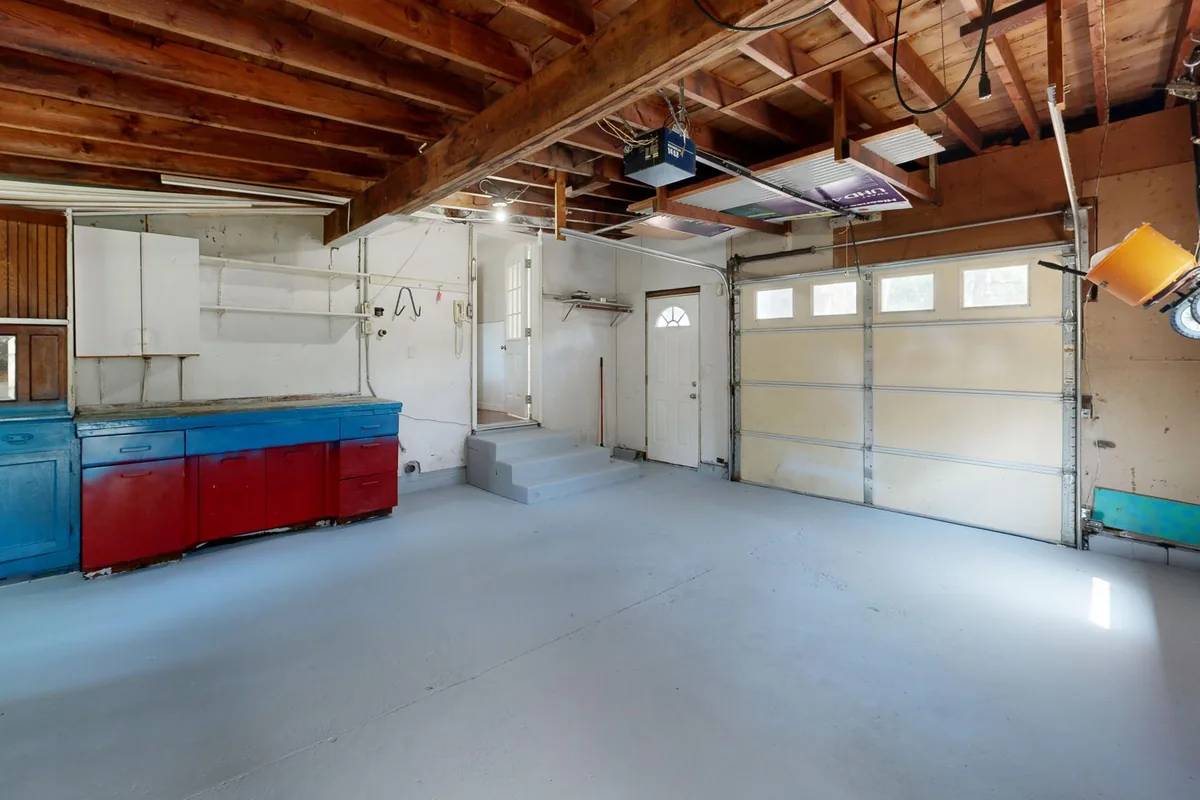
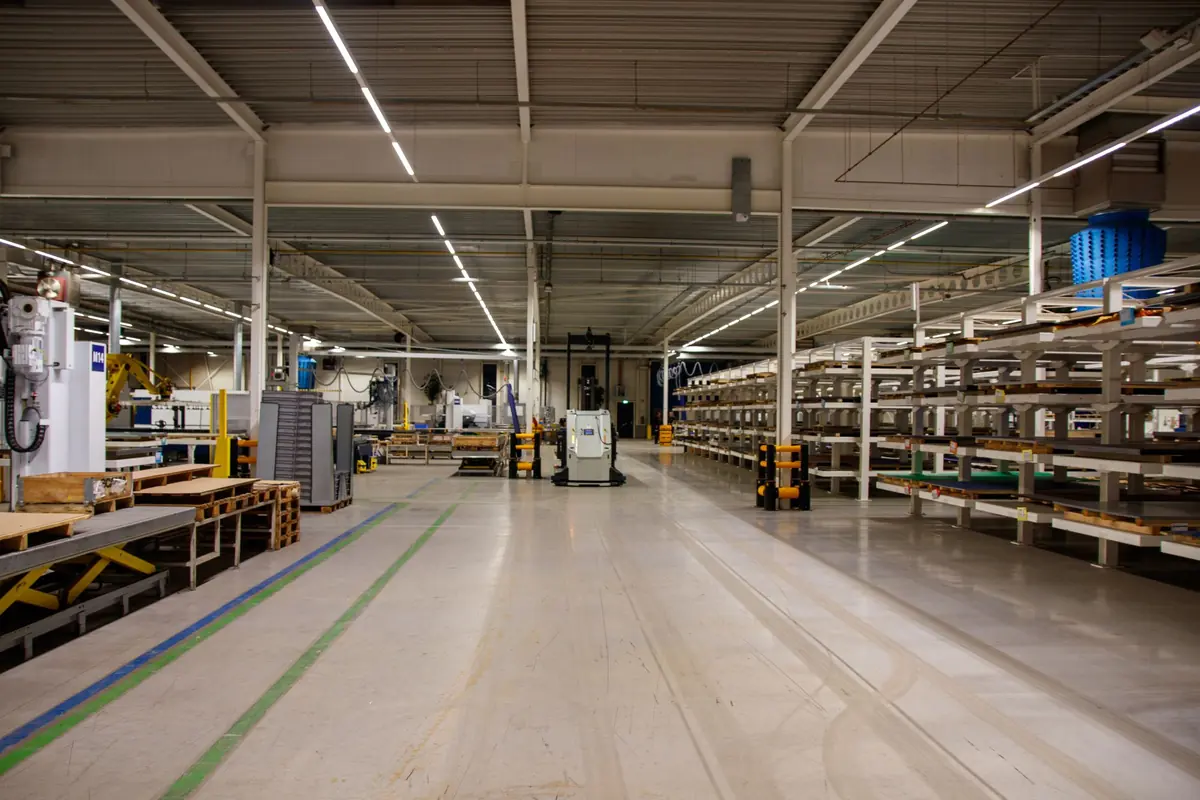
An epoxy floor coating company in Commerce Township, MI works with concrete in very different starting conditions. Bare slabs, older coated floors, residential garages, and commercial concrete each bring separate preparation and use requirements even when the finished system belongs to the same resin-flooring category.
Prepared uncoated slabs provide a direct starting surface for a new resin system.
Aged or previously finished floors require evaluation before another coating system is installed.
For parking and household use, explore our residential vehicle-bay surfaces service.
Higher-use business concrete belongs under seamless floors for commercial spaces with dedicated operating requirements.
Existing epoxy or floor paint needs adhesion and compatibility checked before another layer is added.
The starting slab determines how much preparation is needed before primer and resin. Existing coatings, contamination, cracks, repairs, daily use, and return-to-service requirements all provide useful information before materials are selected or application begins.
Not always. A well-bonded and compatible existing coating may remain after proper evaluation and preparation, while peeling, contaminated, or unstable material needs removal. The important requirement is a reliable base that allows the primer and epoxy system to adhere properly.
Primer establishes the first coating layer over prepared concrete and supports the bond between the substrate and epoxy that follows. It also helps create a more consistent starting surface across areas with different porosity, repairs, or exposed concrete.
Cracks and surface imperfections are evaluated before the resin system covers the slab. Appropriate defects are filled or treated so the coating is not simply applied across an open interruption in the concrete. The repair method depends on the type and condition of the crack.
Multiple layers build coverage and continuity across the prepared surface. The primer establishes the base, while epoxy coats develop the finished resin layer across field areas, perimeter edges, and repaired sections. The exact coating sequence follows the product system used for the floor.
Return-to-service time depends on the resin system, temperature, floor conditions, and manufacturer curing requirements. Vehicle traffic usually places greater demands on the coating than light foot traffic, so the floor should remain out of use until the installed system reaches the required cure.
Questions about colors, timing, or cost? Call us.
We provide interior painting throughout Commerce Township, Highland, Novi, Brighton, Clarkston, and the rest of Southeastern Michigan.
Existing coatings, cracks, contamination, and slab condition determine what happens before resin application. Bring those floor conditions to Four Seasons Painting & Drywall LLC for an epoxy floor installation estimate.