
Peeling paint, worn walking areas, and faded railings do not always mean the deck needs replacement. Deck paint services in Commerce Township, MI restore sound wood through proper surface preparation and a fresh opaque coating, improving the deck’s appearance while adding a renewed protective finish.
We’ll call back within one business day.
A deck asks more from a coating than a wall or fence. Walking boards receive foot traffic, patio furniture, dirt, direct sun, rain, snow, and repeated wet-dry cycles across a horizontal surface. Water can also reach wood from board edges and undersides, so an aging painted film may begin failing in concentrated areas rather than across the entire deck at once.
That is why the first decision should not automatically be another coat. An existing painted deck with sound wood may remain a good candidate for an opaque repaint, while a homeowner wanting more visible wood character may be better served by stained decking treatments if the existing finish and preparation requirements allow that change.
Four Seasons Painting & Drywall LLC offers both deck painting and deck staining, so deck paint services in Commerce Township, MI can begin with the finish that actually fits the existing wood. Color combinations can also be planned around railings, walking boards, nearby trim, and other exterior finishes rather than treating every deck surface identically.
One deck can contain several exposure zones within a few feet. The walking surface handles abrasion and furniture, railings receive more hand contact than foot traffic, and stair edges often wear faster than either. Separating those areas helps reveal whether the entire deck needs the same treatment.
Deck boards carry footsteps, chairs, tables, planters, debris, and direct weather. Old paint may thin along traffic routes while low-use areas still retain a much heavier coating.
Balusters, posts, handrails, and top rails receive weather without the same abrasion as floorboards. Their existing finish may therefore remain in better condition even when the walking surface is heavily worn.
Stair treads, edges, and hand-contact areas concentrate repeated use into a smaller surface. Peeling or exposed wood here can appear earlier than on less frequently traveled sections.
Vertical deck edges and skirting do not receive footsteps, but they still experience sun, moisture, dirt, and landscaping exposure. Their coating condition should be considered separately from horizontal boards.
A worn deck is not always a paint problem. Sometimes the coating has simply thinned under traffic; in other cases, peeling film is sitting over damp wood, splintering boards, or a previous finish that is no longer stable. Another coat only makes sense after those conditions are separated.
This matters because exterior deck paint cannot rebuild deteriorated wood. Sound boards with coating wear belong in a refinishing conversation, while soft, loose, badly split, or otherwise compromised lumber may need repair before appearance becomes the priority.
Paint commonly wears first where people repeatedly enter, cross the deck, move chairs, or use the stairs. Those paths may expose the underlying coating or wood before surrounding boards look equally worn.
Loose or lifting deck paint can reflect moisture, poor adhesion, an unstable previous coating, or surface conditions that were not suitable for the existing finish.
Raised fibers and splinters are physical wood conditions rather than color defects. Covering them with paint does not automatically produce a smooth or comfortable walking surface.
Cracked, soft, loose, or seriously deteriorated boards need to be distinguished from coating wear. Paint should not be used to disguise wood that no longer provides a suitable surface.
A successful deck repaint starts with three questions: what is already on the wood, whether the boards are sound enough to refinish, and what appearance the homeowner wants next. Four Seasons Painting & Drywall LLC uses those answers to distinguish a straightforward repaint from a stain-oriented or repair-first project.
A deck may be bare, painted, stained, partly stripped, or covered with an older finish that is difficult to identify. Peeling areas and sound areas should be assessed together before a new coating system is selected.
Weathered fibers, splinters, cracks, replaced boards, and soft areas all change the preparation decision. Newer or pressure-treated wood also needs to be sufficiently dry and ready to accept the selected exterior finish.
Painting suits homeowners who want an opaque color and a clearly painted appearance. Those wanting more visible wood character or a stain-based finish can compare painting with staining before committing to either direction.
Because deck painting can be part of a larger outdoor update, outside wall and trim updates can coordinate siding, doors, trim, and other painted surfaces. Nearby paintwork for yard fences remains separate because fence boards do not experience the same horizontal wear as a deck.
Preparation should follow what the deck reveals rather than a universal sanding or washing formula. Existing coating, wood condition, moisture, high-wear locations, and the chosen finish all influence what needs to happen before the next painted surface is built.
Where the wood condition and cleaning method make it appropriate, power cleaning for siding and decks may be considered as part of exterior surface preparation rather than assumed necessary for every deck.
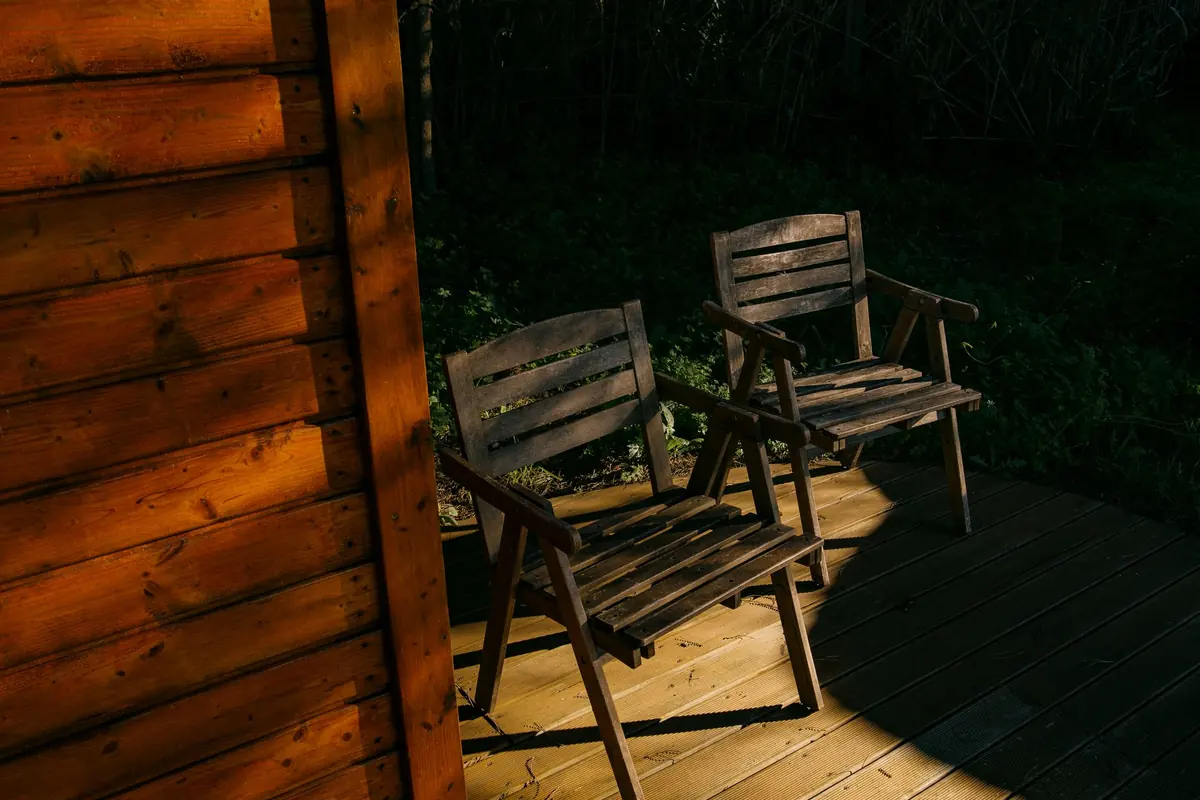
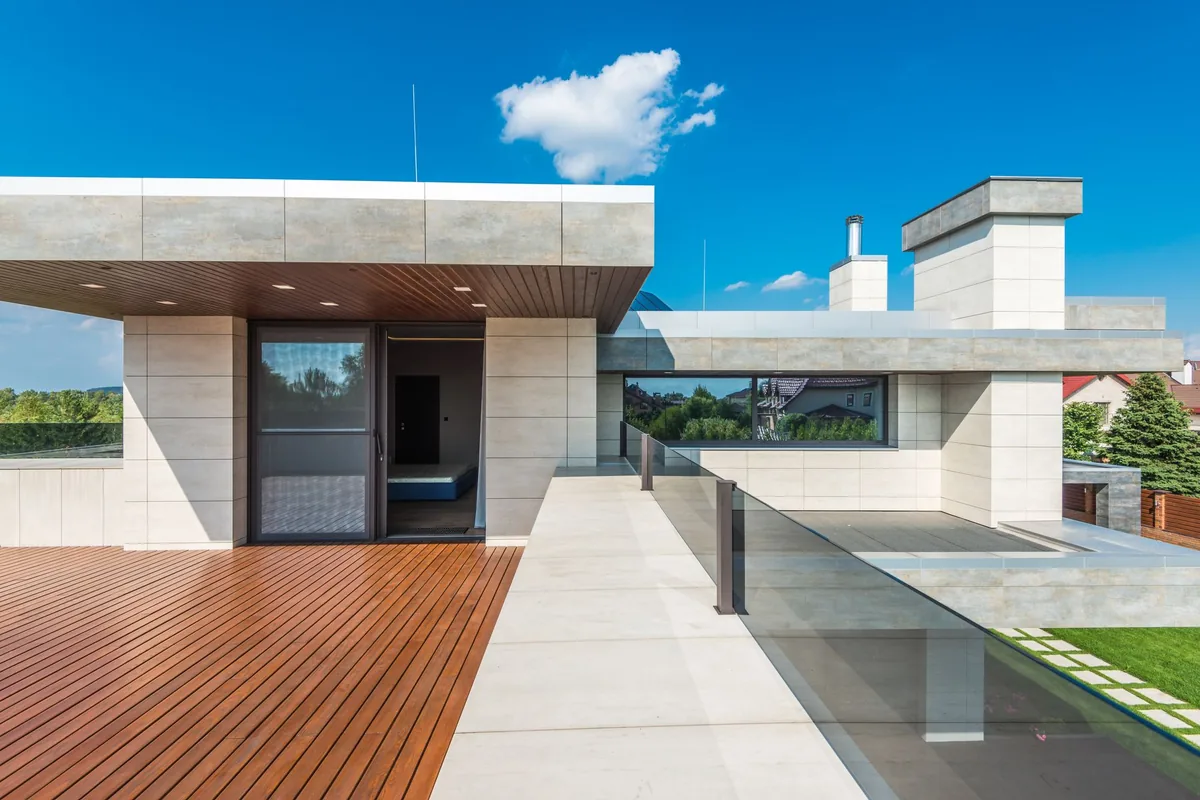
Deck paint services in Commerce Township, MI make the most sense when the wood can support another opaque finish, and that is still the appearance the homeowner wants. The existing coating, condition of the boards, and future maintenance preference should narrow the choice before the project begins. Not sure which direction fits? The estimate can start with that question rather than requiring you to decide between paint and stain beforehand.
A sound painted deck with localized wear can often remain within an opaque finish system when the underlying wood and remaining coating are suitable.
Changing to a new solid color can update boards and railings while maintaining the visual character of a fully painted deck.
When visible wood character or a stain-oriented maintenance approach is preferred, the existing paint must be considered before moving toward stained decking treatments.
Walking boards and railings do not have to share the same finish concept. Painted railings can be coordinated with stained deck boards when the materials and existing finishes support that combination.
Soft boards, major cracks, loose components, or substantial wood deterioration should be addressed before a coating is expected to improve the deck.
A useful estimate is more than counting square footage. Show where the deck feels different underfoot, where paint repeatedly fails, and whether certain areas stay wetter or receive heavier use. Those details help define whether the work is mainly coating maintenance or something more involved.
Complete removal is not automatically required when the remaining coating is well bonded, but loose, peeling, or unstable paint should not simply be buried. The existing finish, exposed wood, adhesion, and desired new coating all influence how much preparation is needed before repainting.
Repeat failure can be connected to moisture, an unstable previous coating, poor adhesion, surface contamination, or wood that was not ready for the finish. Horizontal boards are especially demanding because they receive weather and traffic simultaneously. Identifying the recurring cause is more useful than repeatedly covering the same peeling area.
Start with the existing finish and the appearance you want. Paint creates an opaque color, while stain can preserve more visible wood character depending on the product. Previously painted wood may also require significant preparation before changing systems, so the current coating should be evaluated before choosing.
Yes, a mixed finish can make sense when the condition and existing coatings allow it. Painted railings can provide a crisp color contrast while stain is used on walking boards. The two surfaces still need separate preparation because railings and horizontal decking experience very different wear.
Boards that are soft, badly split, loose, or substantially deteriorated should not be treated as a paint problem. Coating can refinish suitable wood but cannot restore lost strength or soundness. Repairing or replacing unsuitable boards first creates a better foundation for whatever painted or stained finish follows.
Questions about colors, timing, or cost? Call us.
We provide interior painting throughout Commerce Township, Highland, Novi, Brighton, Clarkston, and the rest of Southeastern Michigan.
Peeling boards, worn stairs, exposed wood, and unsound railings may need different treatment. Four Seasons Painting & Drywall LLC can assess the finish and wood condition before you commit to repainting or staining.