
Sun-facing walls may fade first, trim joints can open before siding fails, and exposed wood can lose coating along edges. Our exterior house painters in Commerce Township, MI look for those differences before deciding what to repaint.
We’ll call back within one business day.
Four Seasons Painting & Drywall LLC handles exterior painting for homes and commercial properties, from targeted touch-ups to broader repaints. One elevation can remain in good condition while another looks noticeably older. Sun exposure, shade, rain, vegetation, splashback, prevailing weather, and building orientation all affect how quickly an exterior coating changes. That is why repainting decisions should begin with the individual surfaces rather than assuming the entire property has aged at the same rate.
Material matters just as much as orientation. Painted wood trim, siding, brick, stucco, decks, and fencing do not respond the same way to moisture or weathering. Before choosing a finish, you need to understand the existing coating, exposed substrate, joints, repairs, and areas of failure. Commerce Township combines residential and commercial development with numerous lakes, parks, trails, and preserved open spaces.
For exterior house painters in Commerce Township, MI, that makes property-specific exposure especially important. A shaded wall near mature vegetation, an open sun-facing elevation, and trim repeatedly exposed to runoff can all present different coating conditions on the same property.
A house exterior is a collection of surfaces, not one continuous material. Siding may still have a sound finish while trim is bare at the edges, a deck may need stain instead of paint, and previously painted masonry has different requirements from wood. Separating those materials keeps each coating decision tied to the surface underneath it.
Siding, fascia, doors, window trim, and other painted exterior details often weather at different rates. Identify bare spots, failed joints, chalking, and previous repairs before deciding how much of the elevation needs repainting.
Masonry is porous and shouldn't be treated like wood siding. When brick is the main surface being refinished, painted masonry finishes address coating considerations specific to brick.
Horizontal wood receives foot traffic in addition to weather exposure. Homeowners deciding between an opaque finish and a stain can compare painted wood deck finishes with wood deck stain finishes, rather than treating the deck like another house wall.
Fence boards and stucco facades bring different substrates into the exterior plan. Wood fencing color treatments focus on exposed fence surfaces, while stucco facade paint finishes address textured stucco separately from siding or trim.
Exterior coating failure usually starts in specific locations before it spreads. Powdery residue can develop across weathered paint, caulk joints can open around trim, wood can become exposed where film has worn away, and sections of coating may lift or blister. Each condition points to a different preparation question.
Don’t use a new finish to hide an unresolved exterior problem. Persistent moisture, deteriorated material, or an active leak needs attention before you treat repainting as the repair. Paint performs best when the underlying surface is stable enough to receive it.
Some weathered exterior coatings leave a powdery residue as the film breaks down over time. Recognize that residue before applying another coating.
Caulk can crack or separate where trim pieces meet, around openings, or where different exterior materials transition. Evaluate those gaps rather than simply covering them with paint.
Coating loss at fascia, trim edges, corners, or board ends can leave bare wood visible. Address these areas before returning the exposed material to a finished exterior surface.
Raised bubbles, lifting film, or peeling sections can indicate loss of adhesion or moisture-related problems. Another coat will not stabilize material that is already separating from the substrate.
Exterior painting becomes more reliable when the coating decision follows the substrate, not the other way around. Four Seasons Painting & Drywall LLC currently offers exterior painting, pressure washing, priming, paint touch-ups, spray-applied exterior painting, brick painting, fence painting, and deck painting and staining, giving the project several preparation and application options depending on the surface.
Assess wood, masonry, stucco, siding, and previously coated surfaces by their current condition. Bare substrate, chalking, peeling film, repairs, and moisture concerns can all change what preparation is appropriate.
Exterior preparation can include cleaning or pressure washing, removing unstable coating, addressing suitable joint issues, and priming surfaces where the material or existing finish calls for it. Not every exterior area should be treated identically simply because it sits on the same building.
Brushes and rollers are not the only exterior application methods available. Spray-applied exterior painting is among the company’s documented capabilities and can be considered where the surface, surroundings, and project requirements make that approach appropriate.
When comparing exterior house painters in Commerce Township, MI, look for contractors who distinguish between material types and failure conditions instead of offering one generic repaint formula. Projects that involve repairs or improvements beyond paint can also connect with our property repainting and remodeling expertise.
Exterior work is easier to evaluate by elevation and material than by counting walls. The north side may be in different condition than the most sun-exposed face, while trim, masonry, and deck surfaces can each require their own preparation even when they are part of one project.
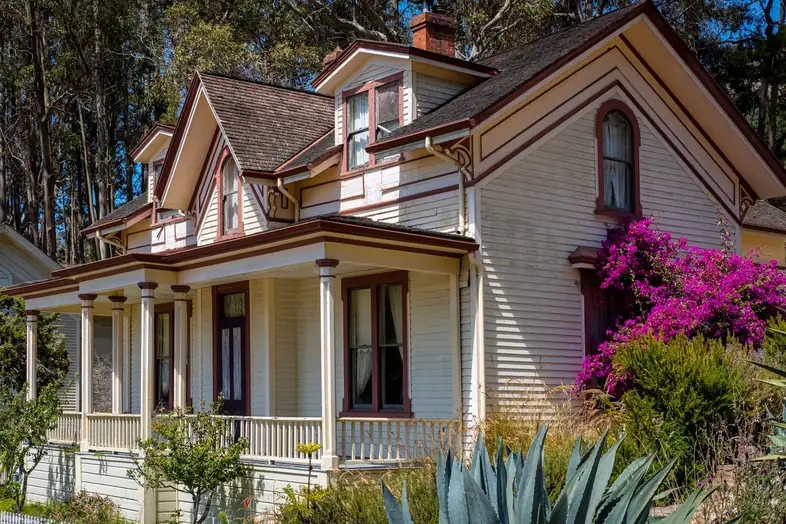
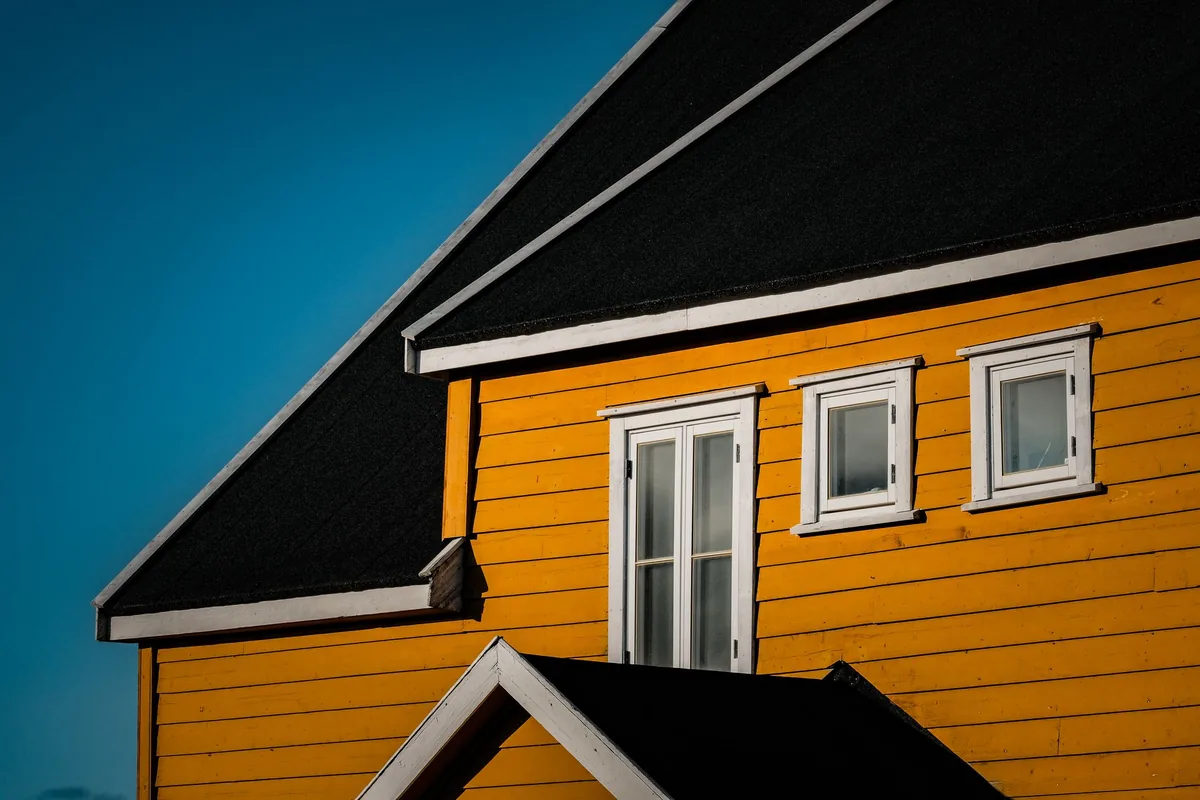
Exterior painting is broad enough that the correct starting page depends on the material. Conventional siding and trim can stay within the main exterior service, while brick, decks, fences, and stucco benefit from more focused preparation and finish decisions. Broader general repainting work remains available when interior, commercial, or other painting needs are part of the same property update.
Stay with general exterior painting when the project centers on house walls, fascia, doors, trim, or other conventional painted building surfaces.
Choose painted masonry finishes when brick condition, existing masonry paint, or a new brick color is the main concern.
Use painted wood deck finishes for an opaque painted appearance or explore wood deck stain finishes when stain is the preferred wood finish.
Wood fencing color treatments keep fence boards, pickets, rails, and their exposure conditions separate from the house exterior.
Stucco facade paint finishes address textured stucco surfaces without treating them as ordinary siding.
Useful information often lies where the finish shifts from sound to failing. Showing those transitions helps separate an isolated repair area from a larger repaint and reveals whether different elevations or materials need different treatment.
Touch-ups can make sense when failure is isolated, and the surrounding coating is still sound and reasonably consistent. Widespread fading, chalking, peeling, exposed substrate, or many repaired areas can make a broader repaint more practical because isolated corrections may remain visible or continue multiplying.
Loose chalk and weathered residue can interfere with how well a new coating bonds to the existing surface. Evaluate the siding and prepare it properly before repainting. Cleaning requirements, primer needs, and coating choice depend on the siding material and condition of the existing finish.
Exterior wood needs to be sufficiently dry for the specific primer or coating being applied. No universal number applies to every product and substrate. Recent rain, pressure washing, shade, temperature, and wood condition can affect drying, so manufacturer requirements and actual surface conditions should guide application.
Rain resistance varies by product, temperature, humidity, surface condition, and application method. Some coatings develop weather resistance faster than others, so schedule work based on the manufacturer’s stated application and drying requirements rather than a fixed waiting period for every exterior paint.
Paint generally creates a more opaque film and offers a broader color change, while stain can preserve more of the wood’s visible character depending on the product. Consider the existing finish, board condition, desired appearance, and future maintenance before choosing between the two.
Questions about colors, timing, or cost? Call us.
We provide interior painting throughout Commerce Township, Highland, Novi, Brighton, Clarkston, and the rest of Southeastern Michigan.
Faded siding, bare trim, open joints, and peeling sections do not always appear together. Four Seasons Painting & Drywall LLC can identify which exterior surfaces need attention now and which still have serviceable coating.