
When the cabinet layout still works, but the finish no longer does, replacement may be more change than the kitchen needs. Cabinet painting in Commerce Township, MI can update doors, drawers, exposed cabinet areas, and color without rebuilding the room.
We’ll call back within one business day.
Cabinet refinishing makes the most sense when the cabinetry still serves the kitchen well. The doors open properly, the storage arrangement remains useful, and the homeowner wants a different color or cleaner finish rather than a new layout. In that situation, the existing cabinet set becomes the starting point instead of demolition.
Condition still matters more than age alone. Previously painted doors, stained wood, glossy finishes, worn edges, cooking residue, and damaged coatings can all require different preparation. Four Seasons Painting & Drywall LLC can also help homeowners choose colors and finishes before moving forward with the cabinet update.
Commerce Township is predominantly made up of single-family, owner-occupied homes, including both established cottage areas and larger residential properties. Cabinet painting in Commerce Township, MI can therefore fit naturally into an existing-home update when the kitchen functions well. Still, cabinetry can look dated next to newer counters, flooring, appliances, or surrounding finishes.
A kitchen cabinet set is not one flat painted surface. Doors are handled by their edges, drawer fronts collect fingerprints around pulls, and fixed cabinet areas must visually match the moving parts around them. Looking at each component separately helps reveal where wear, residue, or old hardware may affect the finish.
Door faces, routed profiles, recessed panels, and outer edges can show very different levels of wear. Previous paint or stain, chipped corners, and repeated hand contact affect how you should evaluate each door.
Drawer fronts often show concentrated wear around knobs and pulls. Grease, cleaning residue, fingerprints, and chipped edges can be more pronounced here than on quieter areas of the cabinet set.
Visible cabinet faces around doors and drawers need to coordinate with the refinished fronts. Consider existing coating condition, exposed edges, and adjoining trim so the updated cabinetry reads as one set.
Knobs, pulls, and hinges can leave outlines or unused holes when hardware changes. Settle those details before finalizing the finish plan, rather than discovering them after the cabinets have already been updated.
Kitchen cabinetry faces conditions that ordinary interior walls rarely do. Steam, cooking residue, skin oils, cleaning products, and repeated handling concentrate around doors and hardware. Even a cabinet that looks generally sound can have small high-contact areas where the existing finish is much more worn than the rest.
A new color doesn’t automatically eliminate those conditions. Grease can interfere with adhesion, loose old coating remains an unstable base, and hardware changes can expose unfinished outlines or holes. Preparation should match what is actually on the cabinet surface, not assume every door needs identical treatment.
Residue tends to collect around frequently handled doors, pulls, and cooking areas. The surface may look clean at first glance but still carry films that need attention before you consider a new coating.
Door and drawer edges receive direct contact every day. Chipping, thinning finish, and exposed material along those edges can become much more visible after the rest of the cabinet receives a fresh color.
Peeling paint, cracked coating, or loose finish cannot provide a reliable foundation simply because another layer is placed over it. Identify unstable areas as part of the preparation process.
Changing knobs or pulls can uncover outlines protected from years of light, cleaning, and wear. Different hole spacing can also create openings to consider before finishing the cabinet.
Color gets most of the attention, but several earlier decisions determine whether the update makes sense. First, understand the existing cabinet finish, hardware plan, surrounding kitchen materials, and door condition. Four Seasons Painting & Drywall LLC offers cabinet-painting consultations and helps customers consider kitchen finish and color options.
Painted cabinetry, stained wood, clear-coated surfaces, and unknown older finishes don't start from the same place. Gloss, adhesion, exposed wood, and previous coating failure can change what preparation is appropriate.
Countertops, backsplash, flooring, appliances, and adjoining walls all influence how a cabinet color reads in the finished kitchen. When the surrounding room also needs attention, you can plan indoor walls and trim finishes separately from the cabinet work.
Paint can change the look of an existing cabinet set, but it doesn't add storage or rearrange the kitchen. If the real goal is new cabinet placement, counters, an island, or larger layout changes, kitchen renovation work is the more appropriate starting point.
If the cabinet color changes substantially, the surrounding walls may suddenly feel warmer, cooler, darker, or more dated by comparison. Inside wall refinishing can address those surfaces when the cabinet update exposes a separate wall-color problem rather than forcing both services into the same scope.
Cabinet refinishing starts with understanding the existing set, not choosing a paint color and working backward. Doors, drawers, fixed surfaces, hardware decisions, and the old finish all affect what the finished kitchen will require. Preparation should then follow the cabinet material and coating condition found on site.
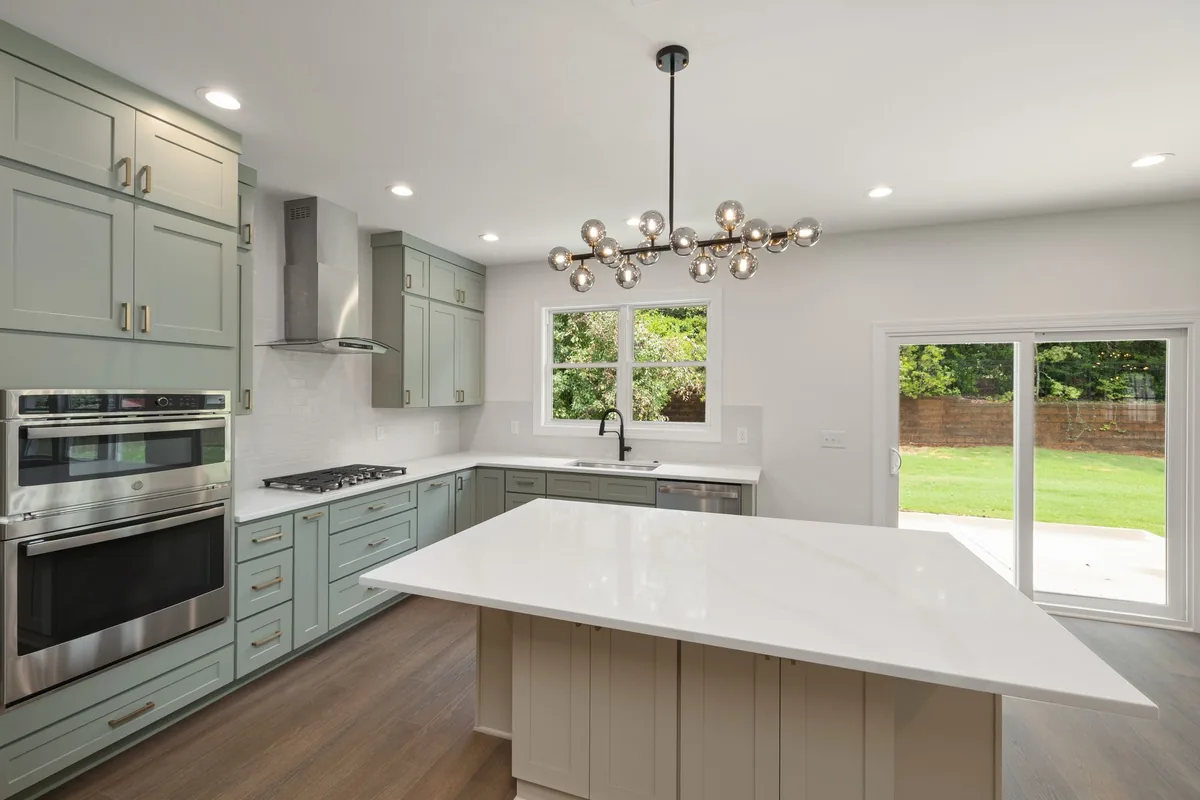
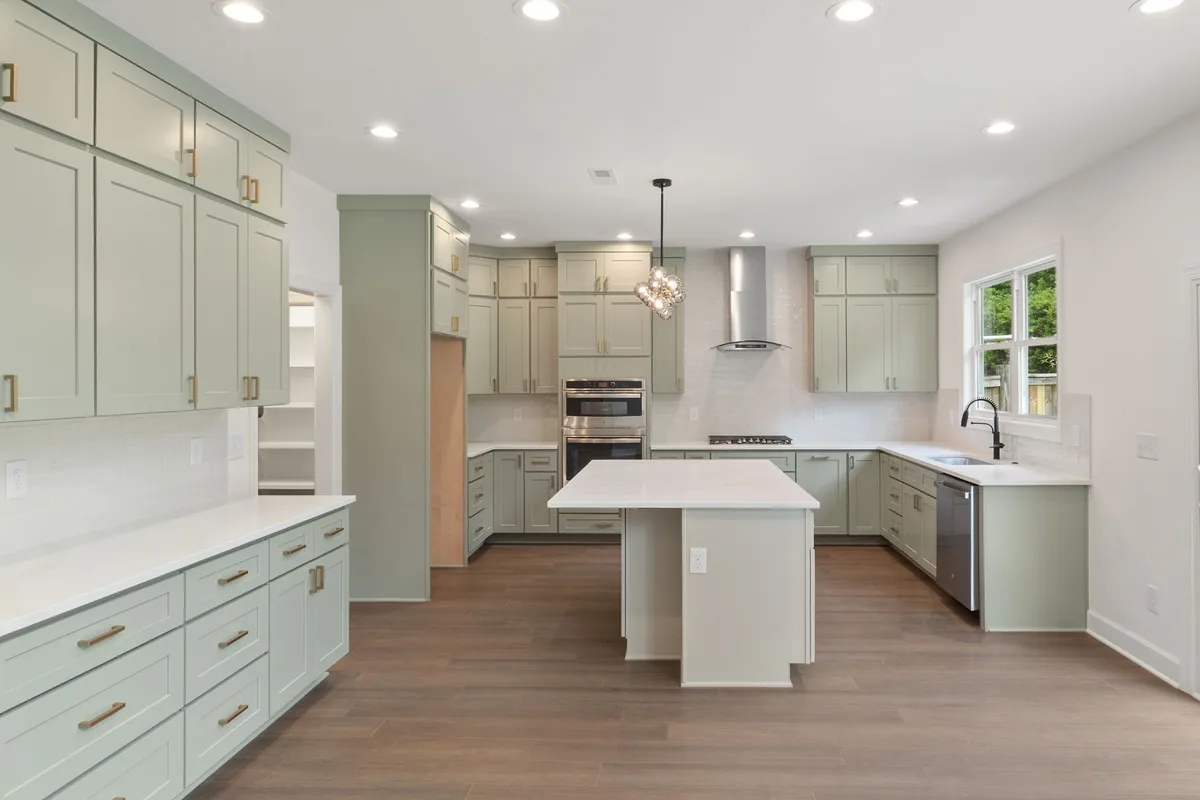
Cabinet painting in Commerce Township, MI is most useful when the existing cabinetry still solves the functional problem. The condition of the doors, finish type, planned hardware, and desired kitchen changes help determine whether refinishing is enough or whether the project has moved beyond paint.
When the layout works, and doors and drawers remain serviceable, changing the finish may provide the visual update the kitchen actually needs.
Paint can substantially change stained cabinetry, but wood texture and grain may remain visible depending on the species, existing finish, preparation, and desired result.
Finish wear is different from structural damage. Swelling, broken components, loose material, or significant delamination may point to repairs or replacement rather than a cosmetic coating change alone.
Changing pulls or knobs can work with a cabinet update, but new spacing may expose old holes or protected outlines that the finish plan needs to address.
If the real frustration is storage, cabinet placement, workflow, countertops, or the overall kitchen configuration, refinishing the existing doors will not solve the main problem.
A useful estimate starts with more than the number of cabinet doors. Existing damage, previous coatings, heavy grease areas, hardware changes, and the homeowner’s expectations for the finished kitchen can all affect what the project involves.
Start with function and physical condition. Cabinets with a useful layout, serviceable boxes, and doors that operate properly may be good candidates for a finish update. Swollen material, extensive delamination, broken components, or major layout dissatisfaction can make repair, refacing, or replacement more appropriate.
Stained cabinet doors can often be considered for painting when the material and existing finish are suitable, but preparation becomes especially important. The current clear coat or stain, wood condition, surface contamination, and desired appearance all affect what you must do before applying a compatible painted finish.
It can. Pronounced grain and open-pore wood may remain visible beneath a painted finish unless you do additional grain-filling or surface-building work. How much shows depends on the wood, existing surface, preparation method, coating system, and how smooth the final appearance needs to be.
Hardware can be part of the planning, but changing its size or hole spacing may leave old holes, outlines, or protected areas visible. Decide on new hardware early so you can identify those differences before the cabinet finish is complete, rather than after the doors are ready for reassembly.
Replacement becomes more reasonable when the problem is structural or functional rather than cosmetic. Damaged cabinet boxes, poor layout, inadequate storage, major door deterioration, or plans for new counters and a different kitchen configuration may justify broader remodeling instead of investing only in a new painted finish.
Questions about colors, timing, or cost? Call us.
We provide interior painting throughout Commerce Township, Highland, Novi, Brighton, Clarkston, and the rest of Southeastern Michigan.
If the storage and arrangement still suit the kitchen but the finish feels dated, Four Seasons Painting & Drywall LLC can help explore a cabinet color and refinishing update before replacement becomes the default.