Metal, concrete, warehouse walls, floors, and equipment-adjacent surfaces fail for different reasons. Industrial painters in Commerce Township, MI must match preparation and coating choices to the substrate, exposure, traffic, and existing finish.
We’ll call back within one business day.
Four Seasons Painting & Drywall LLC handles industrial painting where durability, coating compatibility, and surface condition matter as much as appearance. Choose a coating system based on what it must bond to and what the finished surface will face. Bare or previously painted metal, concrete floors, masonry, drywall, and exterior building surfaces all respond differently to moisture, abrasion, contamination, cleaning, temperature changes, and repeated traffic.
For industrial painters in Commerce Township, MI, that means coating work can range from warehouse walls and shop floors to metal components and exterior industrial surfaces. Commerce Township includes industrial areas used for warehousing, manufacturing, assembly, engineering, and light manufacturing, with traditional industrial development concentrated along parts of Benstein Road.
Appearance still matters, but industrial painting usually serves a functional purpose. The coating may need to make a surface easier to maintain, visually separate safety areas, slow deterioration, improve cleanability, or restore protection where an older finish has begun to fail.
Industrial properties bring several substrate types into one facility. A warehouse wall may only need a durable repaint, while nearby steel needs corrosion treatment and the floor wears through in forklift lanes. Each surface needs its own preparation and coating decision, not a single building-wide paint specification.
Warehouse walls, manufacturing areas, ceilings, masonry, and exterior elevations can be repainted when the existing finish is worn or no longer consistent. When the need is conventional decorative repainting rather than an industrial coating system, our house and business paintwork may be the better fit.
Steel, machinery-adjacent components, storage structures, and other metal surfaces require close attention to rust, oxidation, old coatings, and contamination. The selected coating must be compatible with the prepared metal beneath it.
Traffic lanes, work areas, loading zones, and shop floors deal with abrasion, carts, equipment, cleaning, and repeated impact. Resin floors for business facilities are an option when the floor needs a more specialized coating system.
Some surfaces need more than ordinary architectural paint. Consider industrial-grade surface coatings when you need durability, substrate protection, easier cleaning, or heavier service conditions.
A failed industrial finish is often telling you something about the substrate or the environment. Rust beneath paint, blistering, peeling film, worn floor lanes, and greasy residue can all interfere with a new coating if you ignore the underlying cause.
Simply covering those areas can create a short-lived repair. A better approach is to identify whether the problem is corrosion, loss of adhesion, mechanical wear, contamination, or deterioration in the existing coating system before applying another layer.
Rust and oxidation indicate that metal protection has already been compromised. Address loose corrosion and unstable coating material before applying the next compatible primer or finish.
Peeling, blistering, or lifting layers show that the existing film is no longer bonded securely. New coating placed over loose material depends on a layer that has already begun to fail.
Forklift paths, loading areas, workstations, and repeated cart traffic can wear through a floor coating faster than low-use areas. Repair decisions depend on whether the damage is limited to the coating or extends into the concrete.
Oil, grease, dust, and industrial residue can interfere with adhesion even when the surface looks structurally sound. Cleaning and preparation have to remove contaminants that would sit between the substrate and the next coating.
Industrial painting becomes more technical as surfaces get larger, substrates change, and working conditions put more stress on the finish. Equipment selection, surface preparation, ventilation, coating compatibility, and how the area is used all factor into the painting decision.
Four Seasons Painting & Drywall LLC uses industrial-grade spray equipment for large industrial work. Spray application works well on large wall areas, ceilings, structural surfaces, and other locations where roller-and-brush methods would be inefficient.
Metal, concrete, masonry, drywall, and previously coated surfaces should not automatically receive the same product. Existing finish, porosity, corrosion, contamination, and exposure all influence which preparation and coating system make sense.
Some areas need visual separation, higher durability, improved cleanability, or painted safety markings rather than decorative color alone. Floors and working areas may therefore require a different finish strategy from warehouse walls or office-adjacent spaces.
Choosing industrial painters in Commerce Township, MI should involve more than comparing color options. The contractor needs to understand the surface material, what has already been applied, how the area is used, and what kind of wear the finished coating must withstand.
Industrial preparation begins with the substrate, not the paint color. A contaminated floor, oxidized metal surface, and previously coated warehouse wall may all sit in the same facility but require different prep before any new coating can bond reliably.
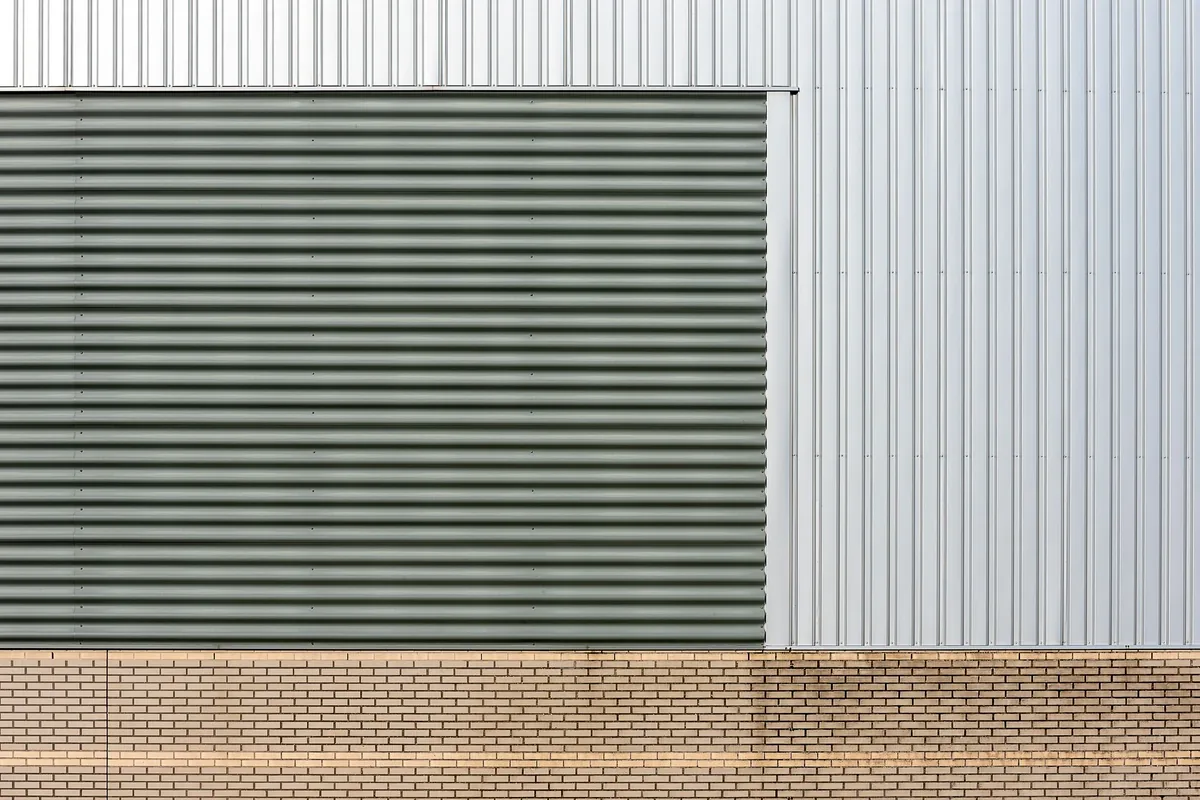
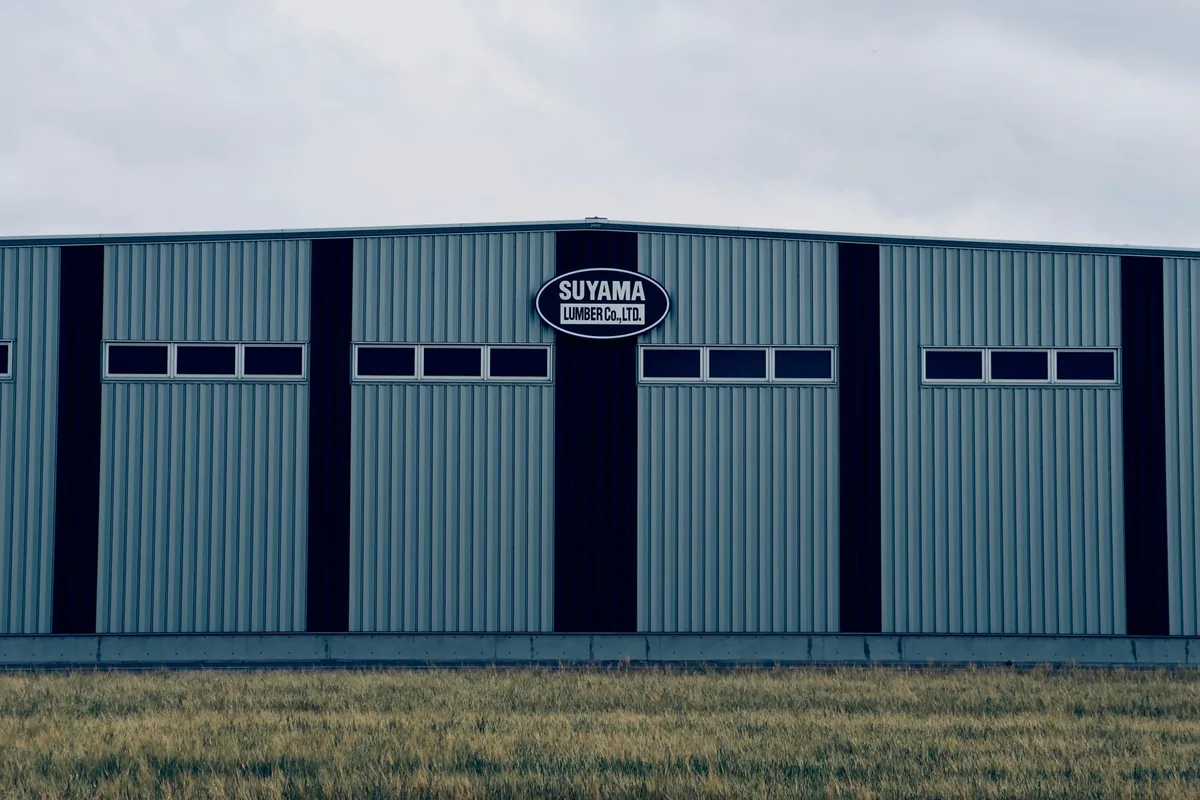
The most useful starting point is the failure or performance need, not the size of the building. One facility may need metal protection while another is dealing with worn floors, aging warehouse walls, or coatings that need maintenance before widespread deterioration develops.
Start here when oxidation, exposed steel, or worn coatings allow metal surfaces to deteriorate.
Warehouse walls, ceilings, masonry, and exterior sections can be renewed when the substrate remains suitable for repainting.
Traffic wear, cleanability, safety markings, and concrete conditions all influence the selected floor system.
Planned recoating can address aging finishes before peeling, corrosion, or broad surface failure becomes more extensive.
When the work is primarily office, retail, or customer-facing rather than industrial, office and retail surface finishes may better match the property’s needs.
A useful site review starts with operating conditions and surface history. Facility managers can make the assessment more productive by identifying where coatings are failing, what each area is exposed to, and whether performance requirements go beyond appearance.
Loose rust and unstable coating should not simply be buried under another finish. Assess and prepare the metal so the remaining surface is suitable for the primer or coating being used. The amount of preparation depends on corrosion severity, existing paint, substrate condition, and the coating specification.
Industrial coatings are selected more heavily around performance conditions such as abrasion, corrosion, cleaning, traffic, substrate type, and environmental exposure. Standard commercial paint may suit offices and customer-facing walls, while manufacturing, metal, floors, or high-use areas may require more specialized products and preparation.
Oil and grease can form a barrier between the coating and the substrate. Painting over that contamination may reduce adhesion even when the surface looks clean from a distance. Complete degreasing and other compatible preparation steps before applying primer or finish coatings.
Recoating may be practical when deterioration is mainly within the existing coating and the concrete beneath remains suitable. Widespread concrete failure, severe cracking, moisture problems, or substantial surface damage may require more extensive repair before considering another coating system.
Yes, painted floor markings can be incorporated where the coating system and facility requirements allow. They can distinguish traffic routes, work zones, or other designated areas. Plan color, layout, coating compatibility, and expected wear before the final floor application.
Questions about colors, timing, or cost? Call us.
We provide interior painting throughout Commerce Township, Highland, Novi, Brighton, Clarkston, and the rest of Southeastern Michigan.
Metal corrosion, worn floor lanes, aging warehouse walls, and exterior coating failure call for different solutions. Four Seasons Painting & Drywall LLC can assess the surface conditions and build the industrial painting plan around how each area is actually used.